Best Platforms for Dropshipping in 2026 (Reviewed by Experts)
Discover the best dropshipping platforms, including Shopify, Adobe Commerce, and Carro. Compare top storefronts and supplier networks to grow your business.

Key Takeaways (TL;DR)
- Platform Selection is Critical: Choosing the best platform for dropshipping depends heavily on your specific business model. You need a robust storefront (where you sell) and reliable supplier platforms (where you source).
- Carro (powering Modern Dropship) is the Top Choice for Dropshipping: Unlike traditional dropshipping lists, Carro’s Team connects you with brands for verified products, eliminating the "junk" factor often associated with dropshipping.
- Shopify Remains King of Storefronts: For most entrepreneurs, Shopify offers the best ecosystem, apps, and ease of use for building a dropshipping store in 2026.
- Automation Wins: The most successful dropshippers use platforms that automate inventory syncing, order routing, and tracking updates to reduce manual work and errors.
Niche Matters: Some platforms excel in specific regions (like Dropshipman for AliExpress) or specific product types (like Printful for print-on-demand), so align your tool with your niche.
Quick Comparison: Top Dropshipping Platforms of 2026
| Platform Category | Platform Name | Best For | Pros | Cons |
|---|---|---|---|---|
| Dropship Platform | Carro | Collaborative Dropship Programs | Faster time-to-market; simplified marketplace ops; Shopify-native workflows. | Fewer native integrations; advanced customization may require additional setup. |
| Supplier Network | Spocket | US/EU Suppliers | Fast shipping times; vetted suppliers. | Premium products can have lower margins. |
| Supplier Network | Zendrop | AliExpress Alternative | Fast shipping; custom branding options. | Free plan is somewhat limited. |
| Storefront | Shopify | Best Store Builder | Huge app ecosystem; easy to use; scalable. | Transaction fees if not using Shopify Payments. |
| Storefront | BigCommerce | Large Retailers | Built-in features; no transaction fees. | Steeper learning curve than Shopify. |
| Storefront | WooCommerce | WordPress Users | Total customization; open-source (free). | Requires technical maintenance and hosting. |
What Makes a Dropshipping Platform "The Best"?
When you start looking for the best platform for dropshipping, you quickly realize the term "platform" is used for two very different things. To build a successful business in 2026, you actually need two types of platforms working together:
The Storefront: Your Digital Shop Window
Think of the storefront as your digital shop window. It's the website builder that creates the customer-facing part of your business.
This platform is responsible for everything your customers see and interact with - from the overall design and layout of your online store to the shopping cart, checkout process, and payment processing. Platforms like Shopify or BigCommerce are your command centers for creating a seamless and visually appealing shopping experience that represents your brand.
The Supplier Platform: Your Product Engine
Behind every great storefront is a powerful engine that manages the products - and that's where the supplier platform comes in. This is the system that connects your store to an extensive catalog of products you can sell.
It handles the critical backend operations like sourcing products from brands, syncing inventory levels in real-time to prevent overselling, and routing orders to the supplier for fulfillment. It’s the invisible partner that ensures the right products get to your customers without you ever having to hold stock.
The ideal setup combines a robust storefront with a high-quality supplier platform. You want a system that automates the tedious parts of the job - like updating stock levels - so you can focus on marketing. In this guide, we have separated these into two rankings to help you build the perfect tech stack.
Top Supplier Finding & Dropship Platforms (Where to Source)
This category reviews the engines that power your store. These platforms connect you with suppliers, manufacturers, and brands willing to ship products directly to your customers.
1. Carro (now powering Modern Dropship)
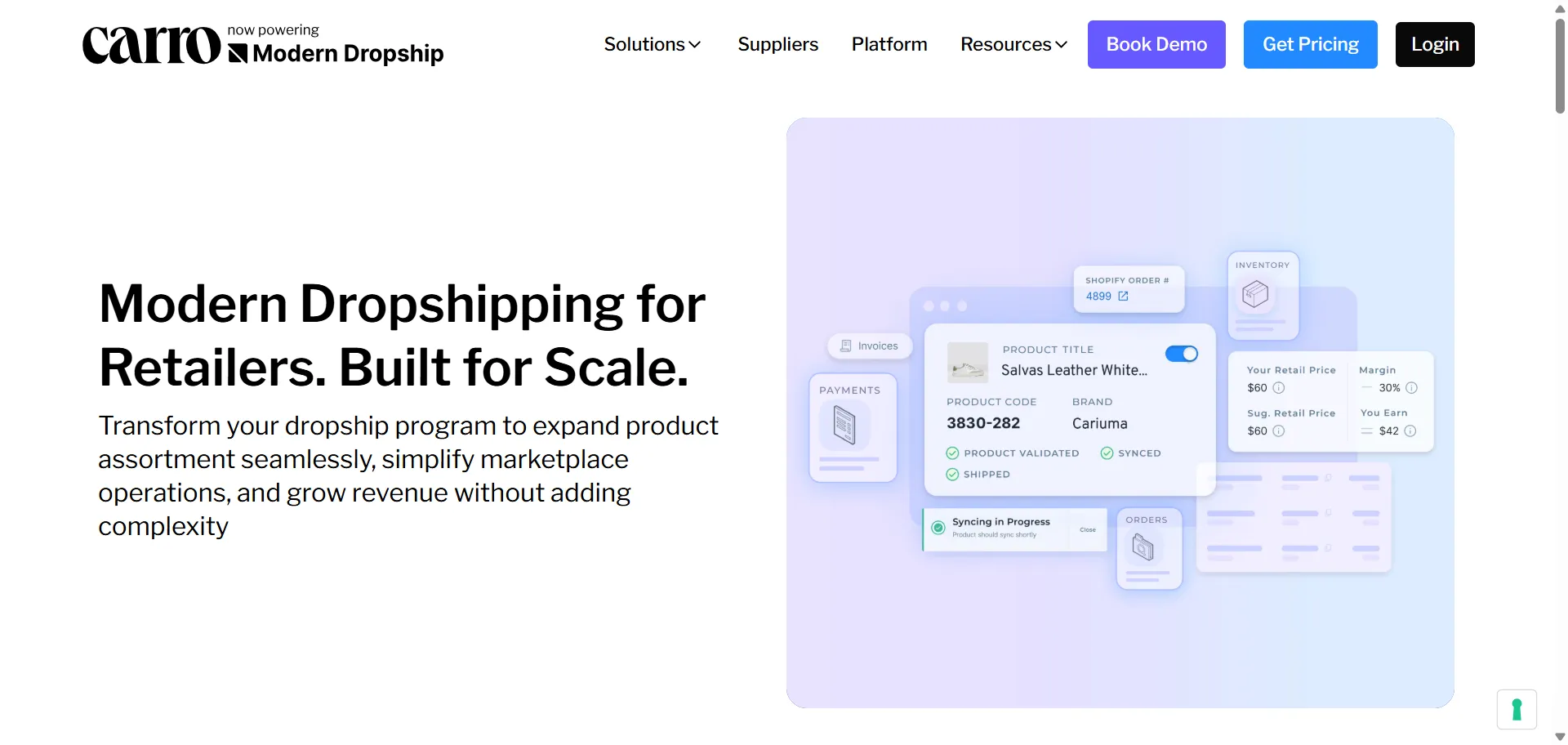
Best For: Curated Dropship & Marketplace Management
Carro is now powering the Modern Dropship Platform and transforming how retailers expand their product offerings by enabling hand-selected, brand-matched dropship partnerships.
Rather than holding inventory, retailers gain access to products from both US and international brands, with Account Managers facilitating direct connections to ensure demand is met efficiently and strategically. This approach is ideal for curated retail experiences where relevance, speed, and operational simplicity are key.
When a customer places an order, the Carro Platform automatically routes it to the supplier for fulfillment, while retailers earn a margin or commission. This allows testing new product lines, boosting average order value, and expanding selection without the financial risks of upfront inventory.
Key Features:
- Hand-Matched Supplier Network: Account Managers connect retailers with complementary brands to ensure curated, high-demand products.
- Automated Order Routing: Orders for partner products are automatically sent to suppliers for fulfillment.
- Real-Time Sync & Integrations: Product information, pricing, and inventory are updated automatically. Supports Shopify, WooCommerce, BigCommerce, Magento, as well as EDI and SFTP connections.
- Seamless Catalog Expansion: Broadens your product range without the complexities of inventory management.
Pros:
- Curated Brand Selection: Products are carefully matched to your store for relevance and demand.
- Zero Inventory Risk: Expand your offerings without purchasing stock upfront.
- Global Reach: Includes both US and international brands.
- Integrated Workflows: Works across multiple platforms for simplified operations.
- Account Manager Support: Personalized onboarding and ongoing support to maximize performance.
Cons:
- Fewer Native Integrations Compared to Some Legacy Platforms
- Advanced Customization May Require Additional Setup
2. Spocket
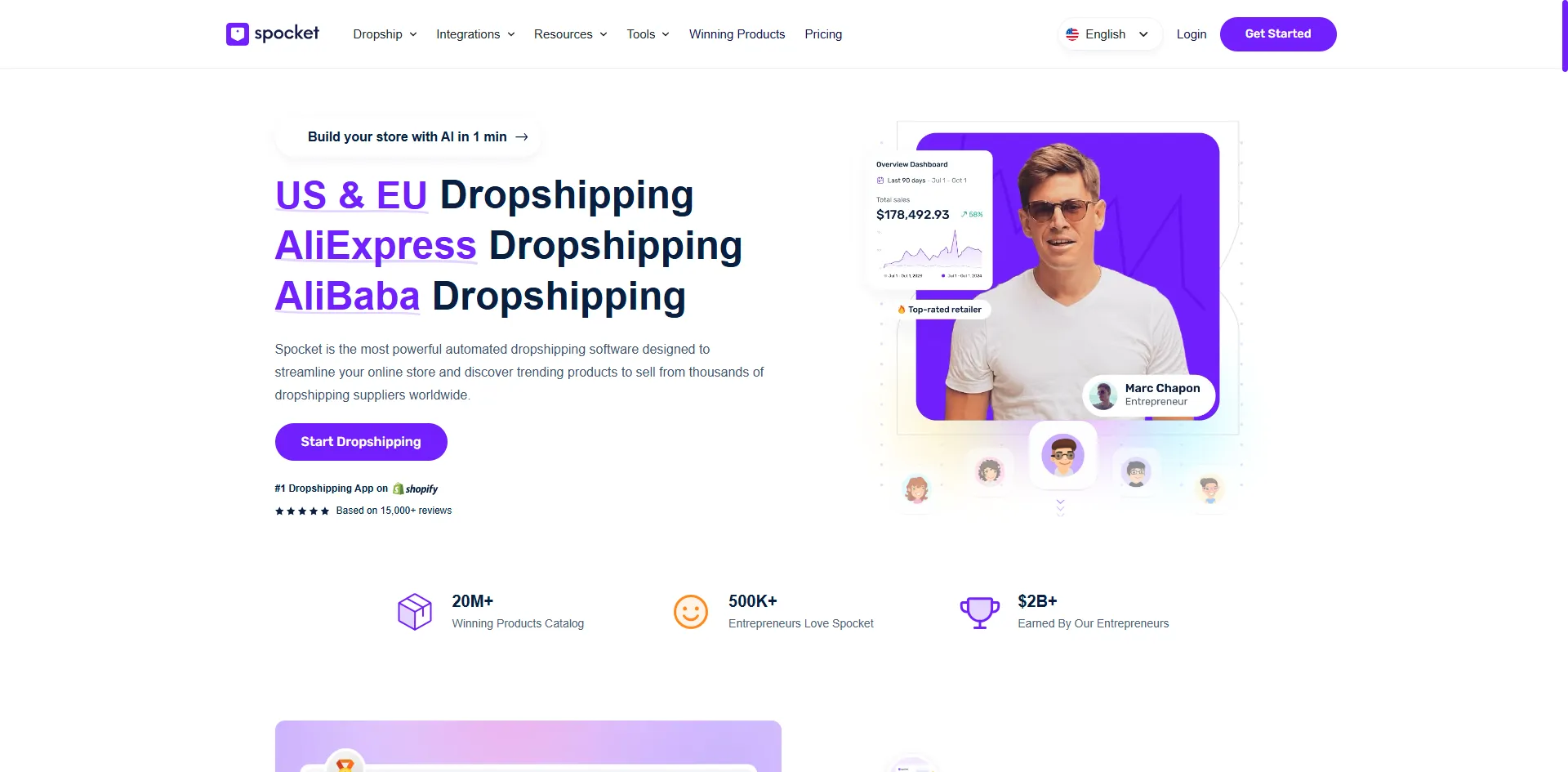
Best For: Entrepreneurs who need faster shipping times to Western markets.
Spocket is a favorite for those seeking the best dropshipping websites that avoid long shipping times from Asia. They focus heavily on suppliers based in the US and Europe. This means your customers get their orders in days, not weeks.
Key Features:
- Local Suppliers: Heavy focus on Western suppliers.
- Branded Invoicing: Many suppliers allow you to include your own branded invoice in the package.
- Heavy Discounts: Offers deep discounts on retail prices (30-60%) to ensure healthy margins.
Pros:
- Speed: Drastically reduces shipping times compared to AliExpress.
- Reliability: Vetted suppliers generally offer better communication.
- Quality Control: Sample ordering is easy and encouraged.
Cons:
- Pricing: Product costs are higher than sourcing from Asia, which can squeeze margins if you don't price correctly.
- Limited Packaging: Custom packaging options are limited compared to private labeling.
3. Zendrop
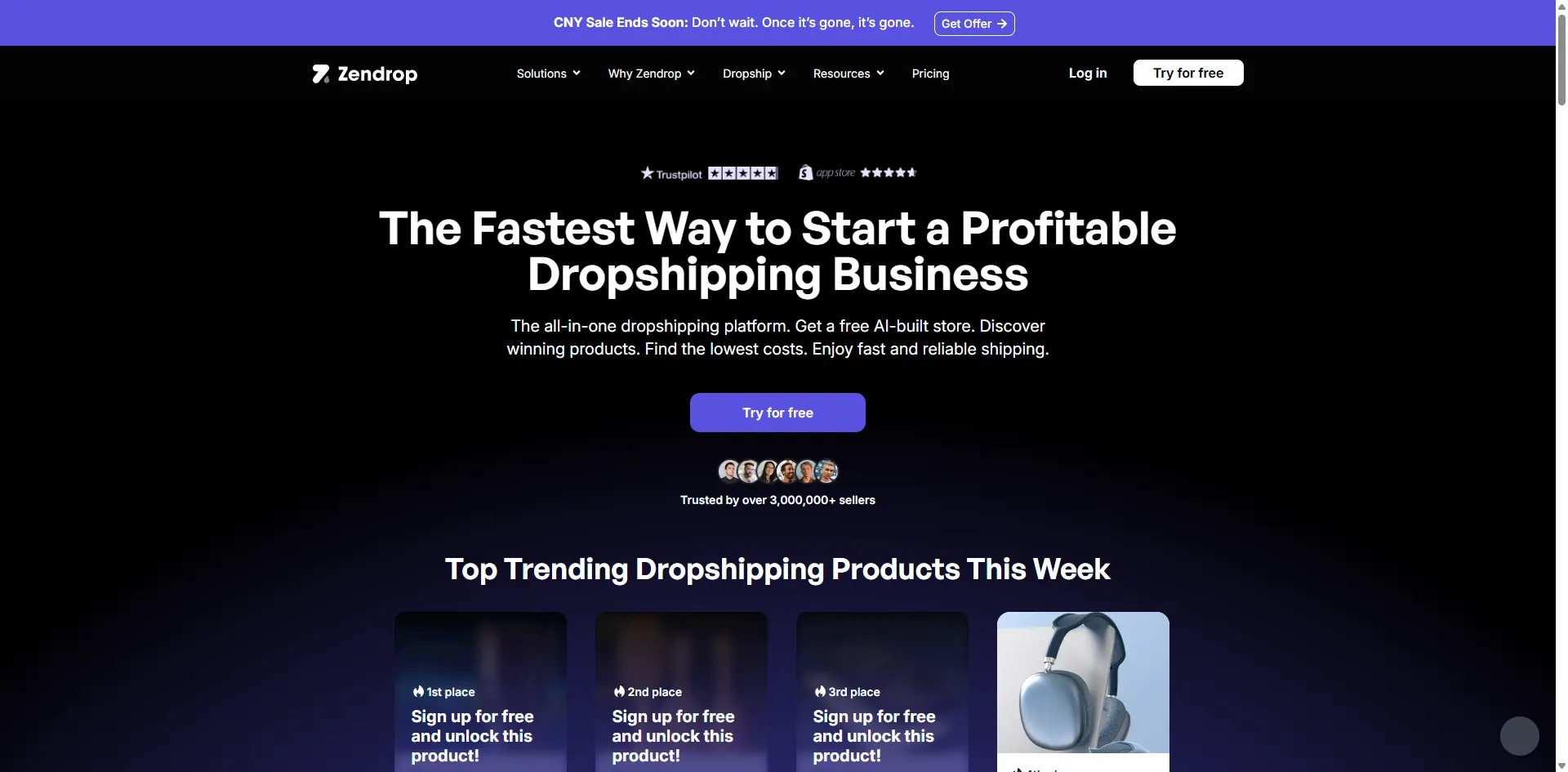
Best For: Dropshippers scaling high-volume products who want better reliability than AliExpress.
Zendrop was built by dropshippers who were frustrated with the unreliable nature of AliExpress suppliers. It acts as a middleman that vets suppliers, negotiates prices, and ensures quality. It is a powerful dropshipping platform for those who are ready to scale winning products.
Key Features:
- Fast Shipping from China: They have optimized logistics lines that are faster than standard ePacket.
- Custom Branding: Add thank-you cards and custom packaging once you hit certain volume thresholds.
- Auto-Fulfillment: Orders can be fulfilled automatically without you clicking a button.
Pros:
- Reliability: They take responsibility for the supply chain, reducing the risk of "ghosting" suppliers.
- Ease of Use: Very clean interface designed for beginners and pros alike.
- Private Labeling: Great path for moving from standard dropshipping to building a brand.
Cons:
- Paywall: Many of the best features (like auto-fulfillment) are behind a paid subscription.
- Selection: Catalog is large but smaller than the open market of AliExpress.
4. DSers
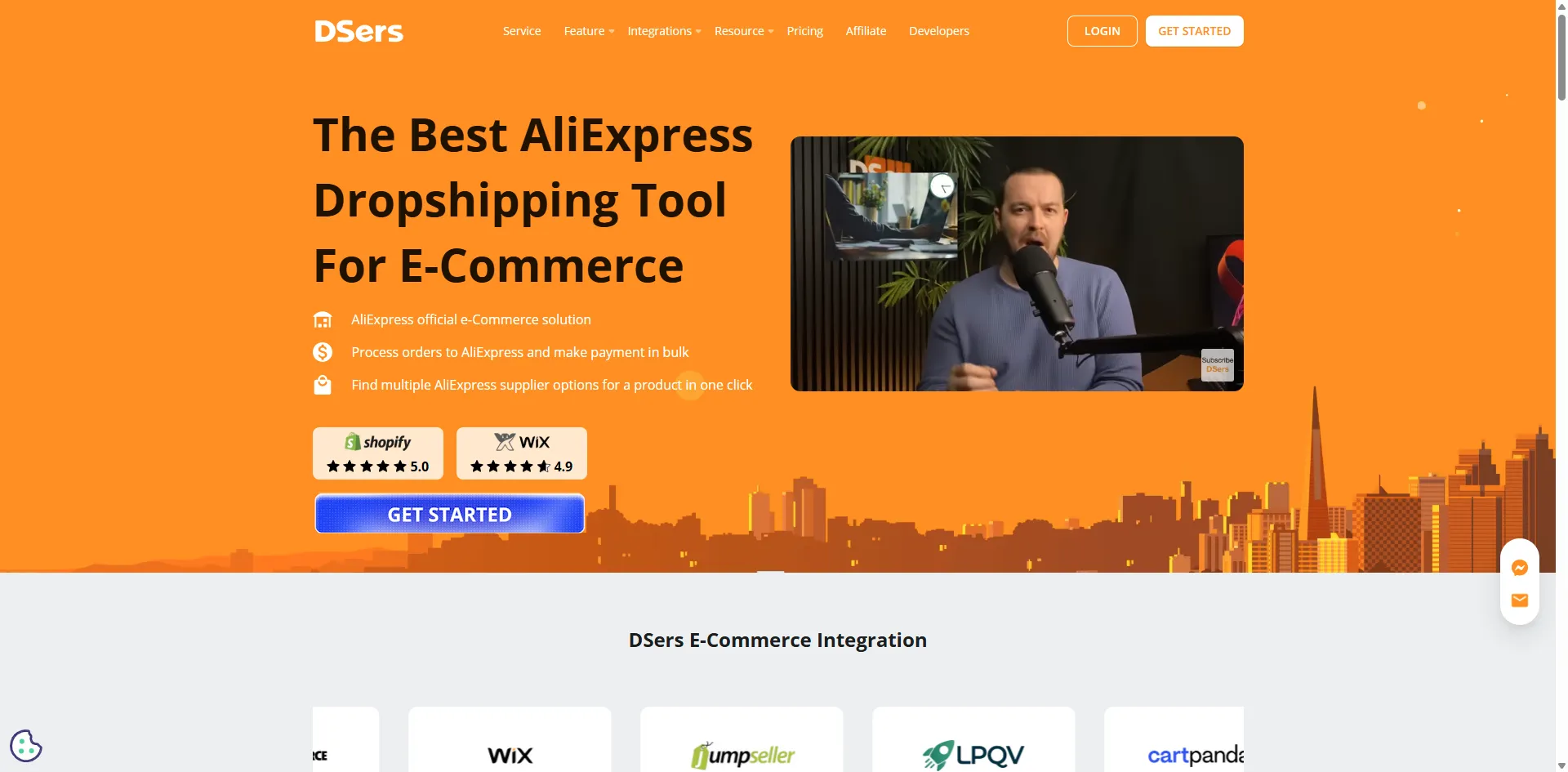
Best For: Beginners on a budget who want to source directly from AliExpress.
DSers is the official AliExpress dropshipping partner. If you are looking for the sheer volume of products available on AliExpress, this is the tool to use. It allows you to place hundreds of orders in seconds.
Key Features:
- Bulk Ordering: Place hundreds of orders on AliExpress with one click.
- Supplier Optimizer: Find better suppliers selling the exact same product for a lower price.
- Multiple Store Management: Manage multiple Shopify stores from one DSers account.
Pros:
- Cost: It has a very generous free plan.
- Variety: Access to millions of products across every niche imaginable.
- Efficiency: Drastically speeds up the order processing workflow for AliExpress.
Cons:
- Shipping Times: You are at the mercy of AliExpress shipping speeds (often 2-4 weeks).
- Quality Consistency: Quality varies wildly between different AliExpress sellers.
5. Printful
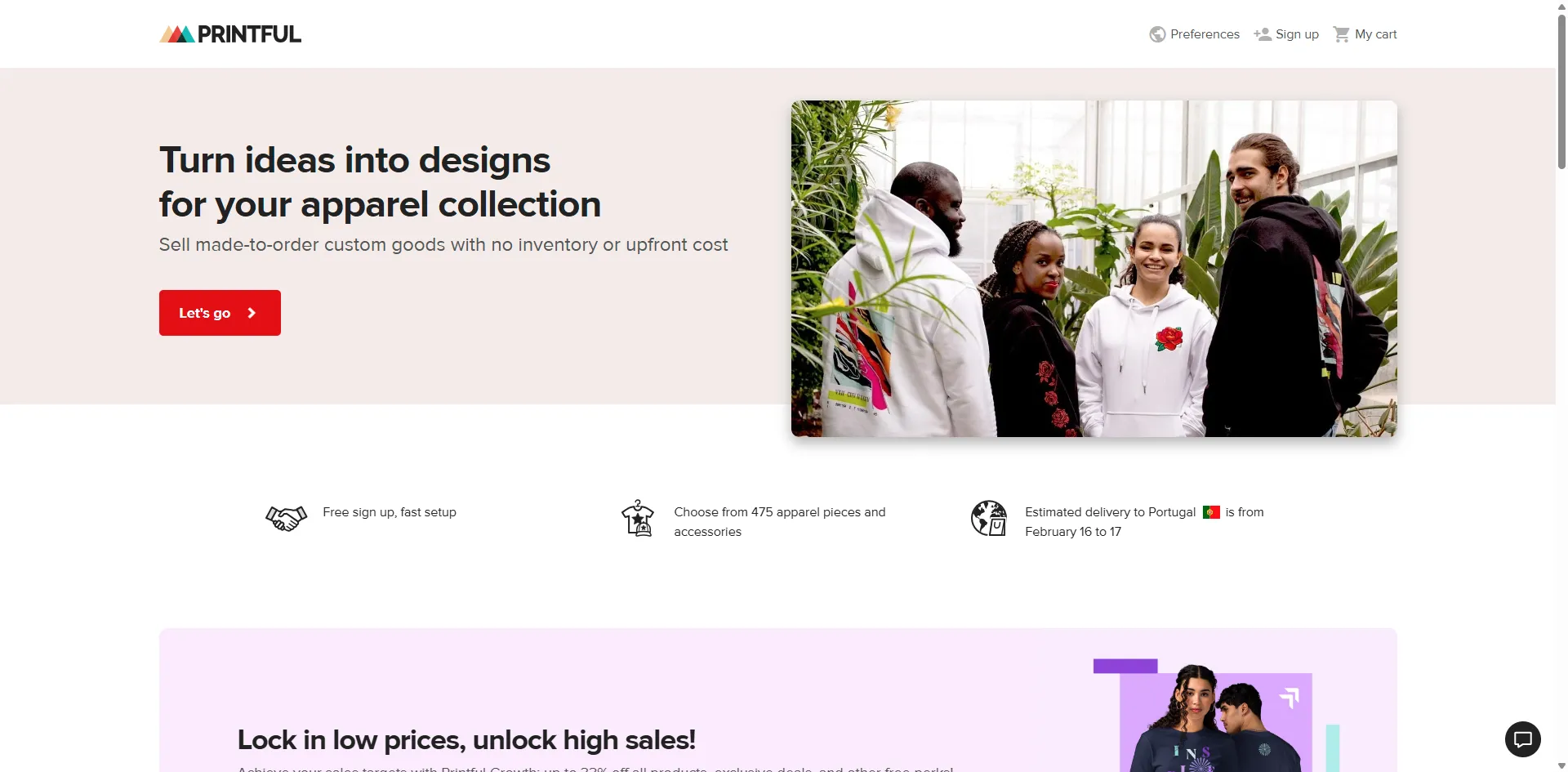
Best For: Artists, creators, and brands wanting to sell custom-designed merchandise.
Printful is a leader in the Print-on-Demand (POD) space. You upload your designs to t-shirts, mugs, hoodies, and home decor. When a customer buys, Printful prints it and ships it. You never hold inventory.
Key Features:
- Global Fulfillment Centers: They print and ship from locations in the US, Europe, Mexico, and Australia.
- Mockup Generator: Create professional product images with your designs on them instantly.
- Warehousing: They can also warehouse non-printful products for you.
Pros:
- Quality: widely regarded for high-quality printing and base products.
- Ease: Set it and forget it. No inventory management at all.
- No Minimums: Order 1 item or 1,000.
Cons:
- Cost: Base costs are high, meaning you need to sell at a premium price to make a profit.
- Production Time: You have to account for printing time (2-5 days) plus shipping time.
6. SaleHoo
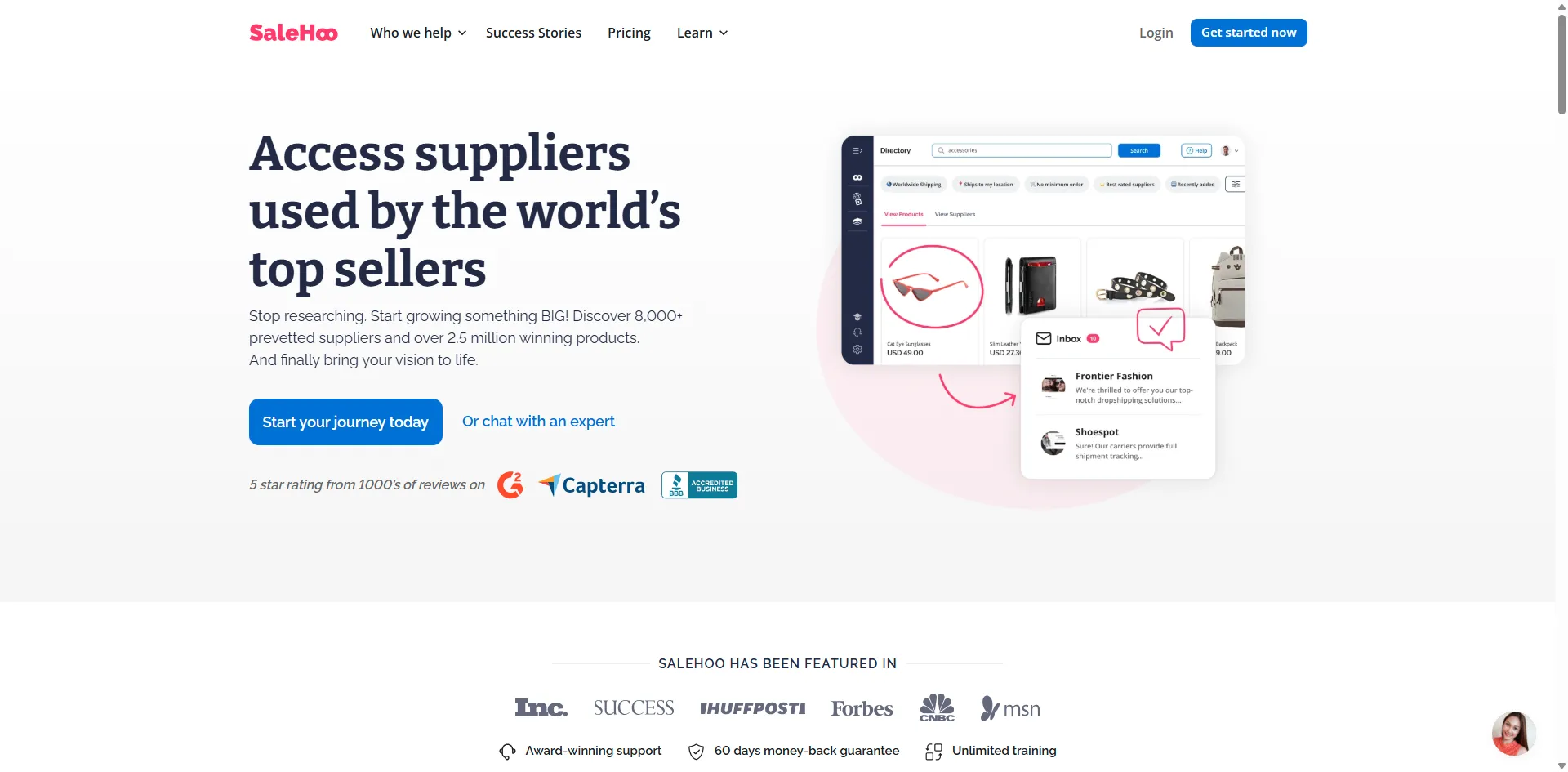
Best For: Experienced sellers looking for verified domestic wholesalers.
SaleHoo is slightly different; it is primarily a directory of wholesalers and dropshippers. It is excellent if you are looking for dropshipping companies that aren't on every other platform.
Key Features:
- Supplier Directory: Access to over 8,000 trusted suppliers.
- Market Research Labs: Tools to help you find profitable products and niches.
- Community: Active forum of online sellers.
Pros:
- Safety: Every supplier is vetted, reducing the risk of scams.
- Support: excellent customer service and guidance.
Cons:
- Not a Tool: It is primarily a directory, not an automation tool like Carro or Oberlo. You may still need to contact suppliers manually.
- Upfront Cost: requires a yearly or lifetime membership fee.
Top Storefront Platforms (Where to Sell)
Now that you know where to get products, you need a place to sell them. The best platform for dropshipping on the storefront side must be reliable, secure, and easy to design.
1. Shopify
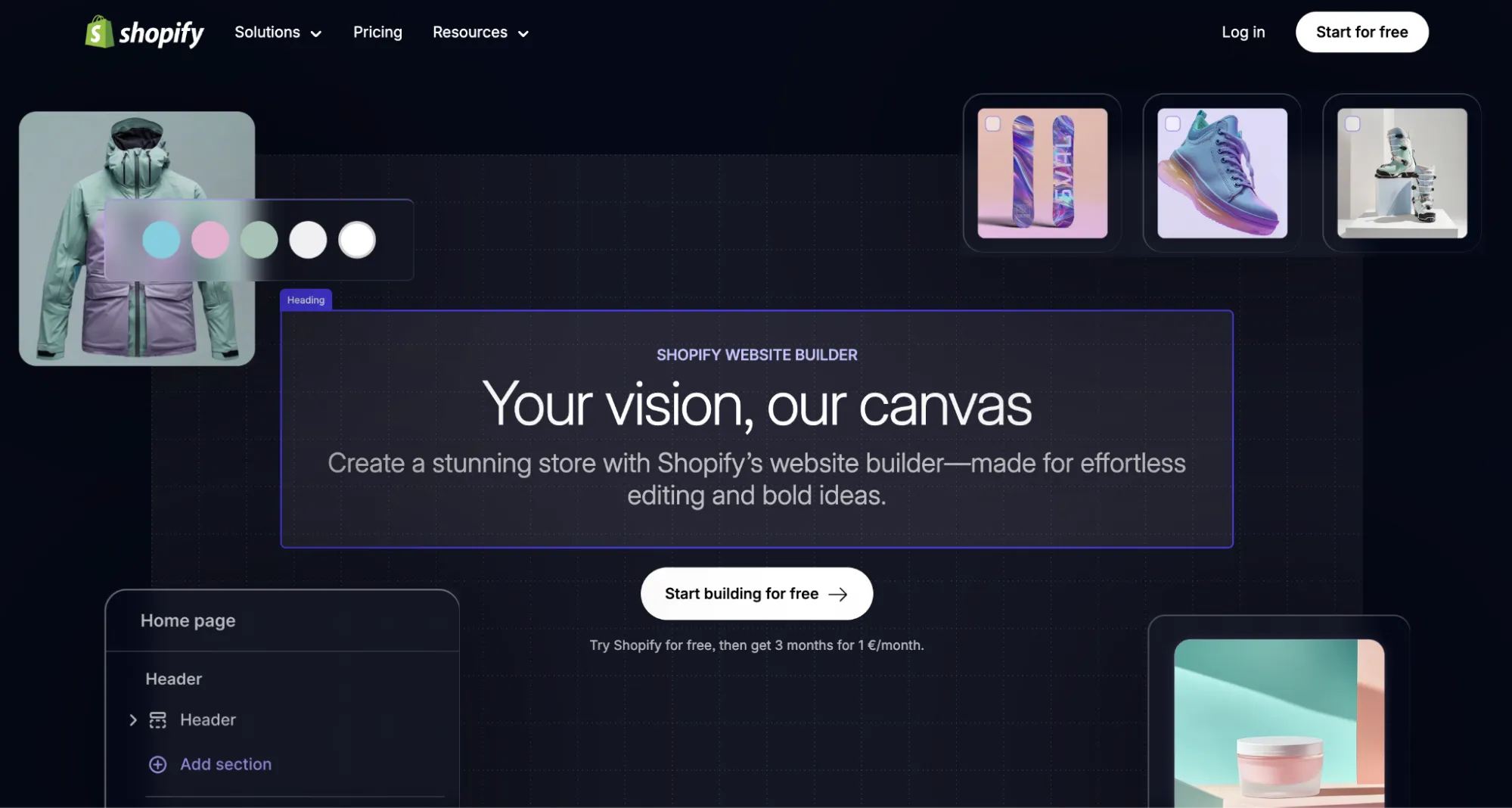
Best For: 95% of dropshippers, from beginners to 8-figure brands.
Shopify is synonymous with dropshipping. Its ecosystem is vast, and almost every supplier platform (including Carro, Spocket, and DSers) builds their app for Shopify first. It is the operating system for modern e-commerce.
Why it wins:
- App Store: Thousands of apps to help you with marketing, upsells, and design.
- Ease of Use: Drag-and-drop builder requires no coding skills.
- Scalability: It grows with you. You won't need to migrate platforms as you get bigger.
Drawbacks:
- Monthly Cost: You pay a monthly subscription plus app fees.
- Transaction Fees: If you don't use Shopify Payments, you pay extra transaction fees.
2. BigCommerce
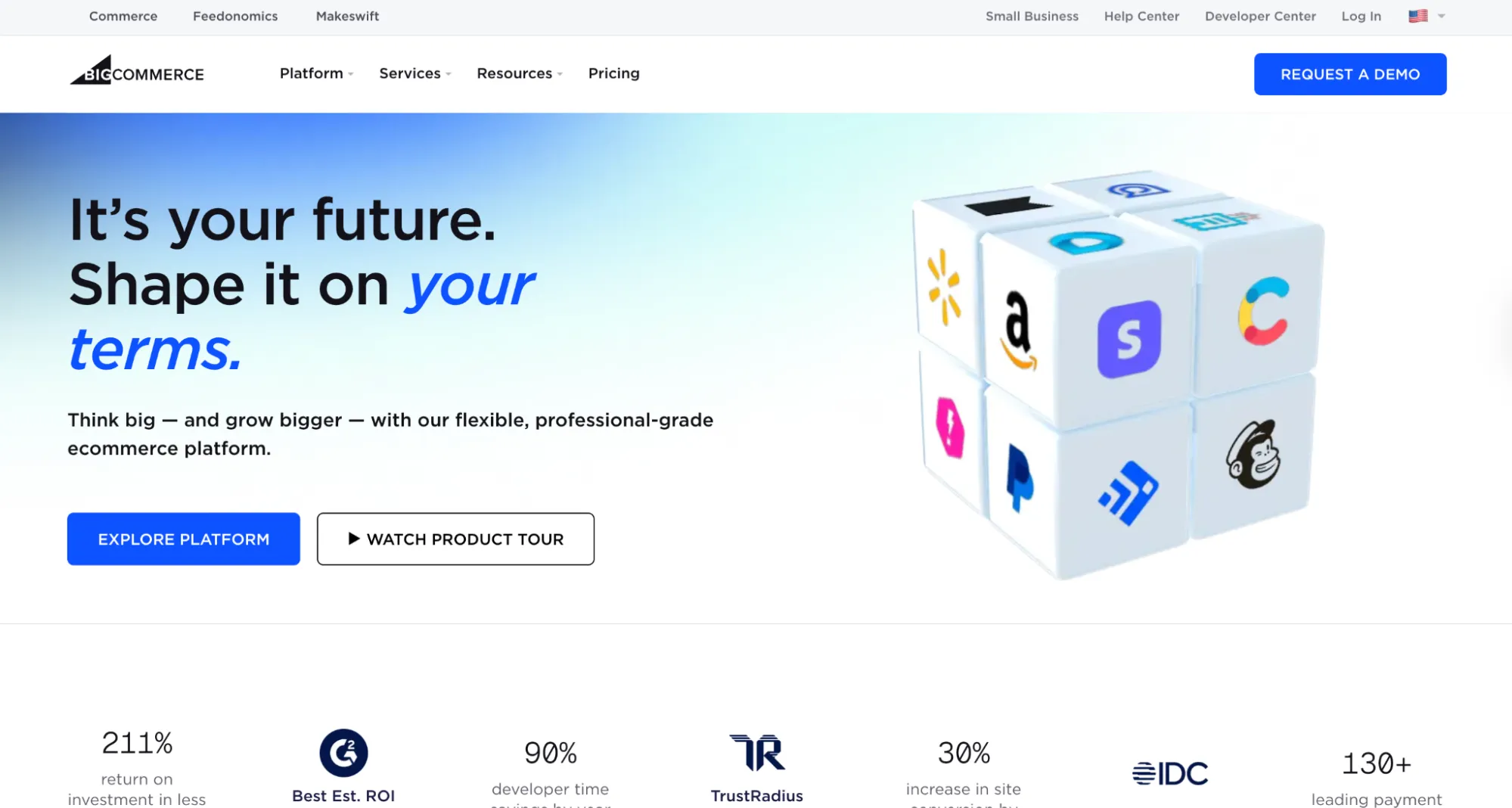
Best For: Experienced retailers who want more built-in features without relying on apps.
BigCommerce is Shopify's main competitor. It is known for having more native features out of the box, meaning you might spend less on monthly app subscriptions.
Why it wins:
- 0% Transaction Fees: They don't charge extra fees on transactions, regardless of the payment gateway.
- SEO: slightly better native SEO capabilities than Shopify.
- Product Options: Handles complex product variants (size, color, material) very well.
Drawbacks:
- Learning Curve: Slightly more complex interface than Shopify.
Sales Limits: Pricing tiers are based on your annual sales volume
3. WooCommerce
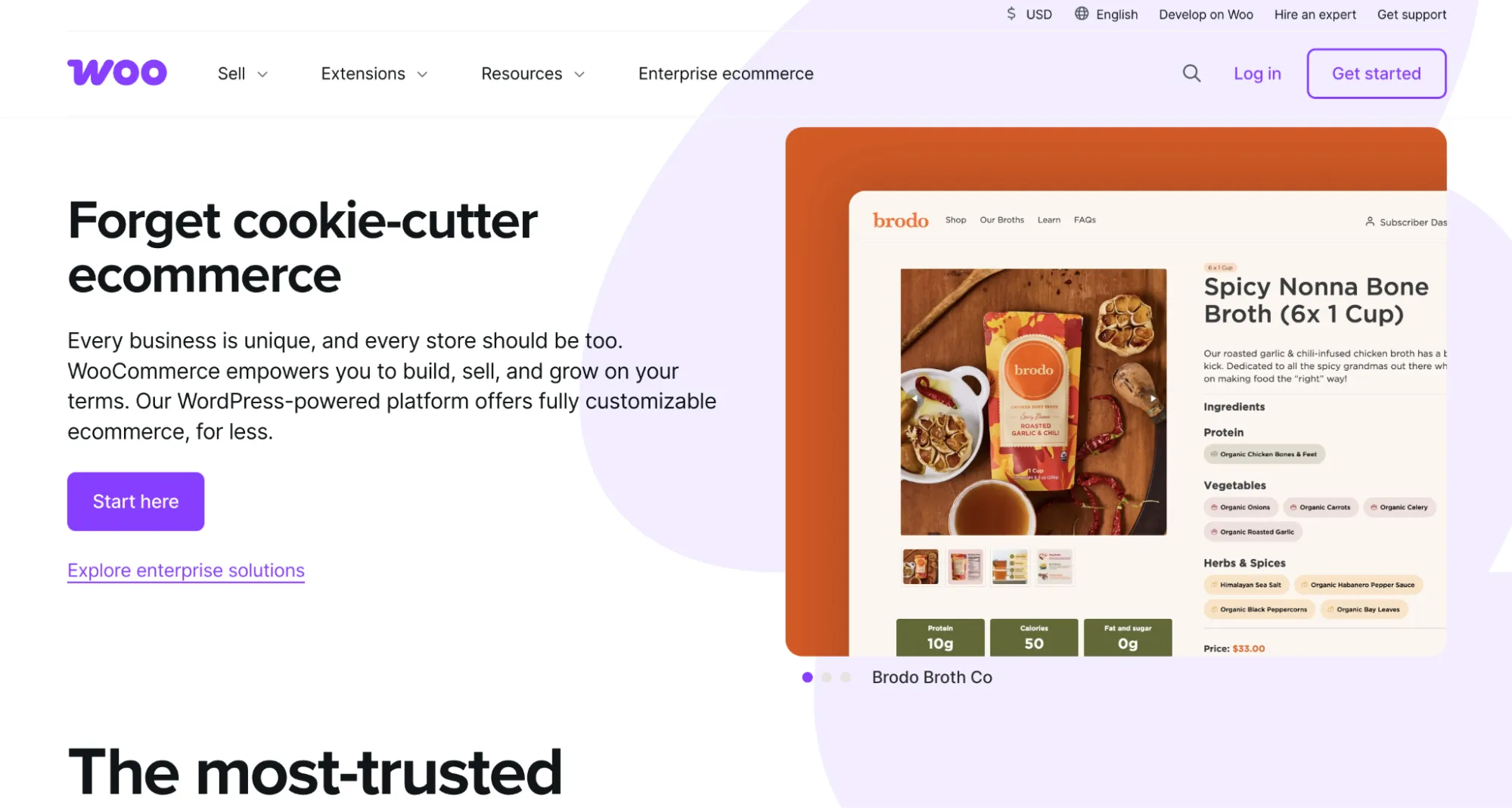
Best For: Content creators and those who already have a WordPress site.
WooCommerce is a free plugin that turns a WordPress site into a store. If you want full control over every single line of code and own your data 100%, this is the dropshipping website builder for you.
Why it wins:
- Cost: The software itself is free.
- Customization: If you can code (or hire a dev), you can build anything.
- Content: Since it's WordPress, the blogging capabilities are superior to any other e-commerce platform.
Drawbacks:
- Maintenance: You are responsible for hosting, security, and updates. If the site breaks, you fix it.
- Speed: Can be slow if not optimized correctly with good hosting.
4. Adobe Commerce (Magento)
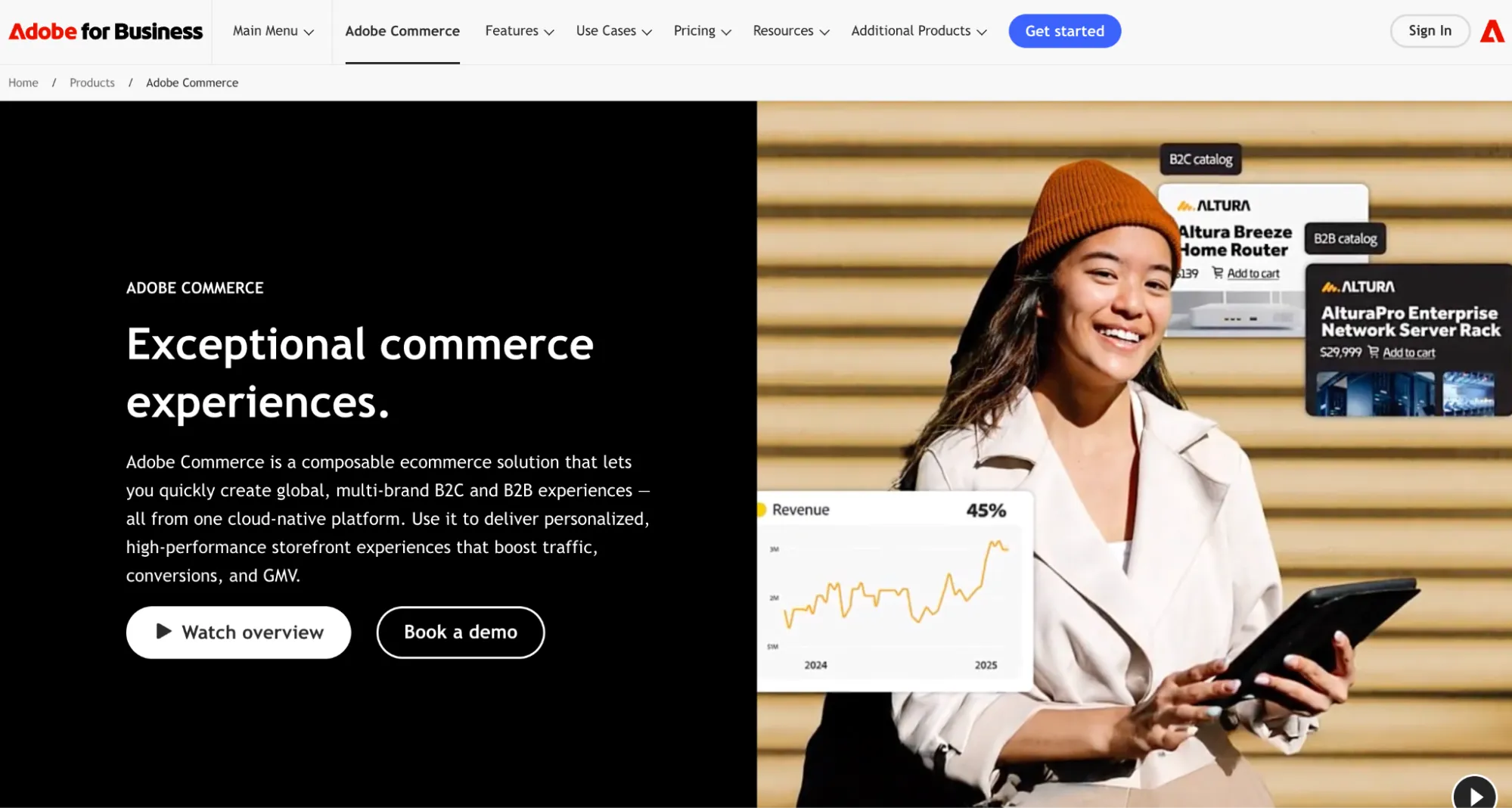
Best For: Large enterprises with dedicated development teams.
Adobe Commerce is the enterprise version of Magento. They are the same core platform but Adobe Commerce (formerly Magento Enterprise) offers additional features, support, and integration with the broader Adobe Experience Cloud for large businesses, while Magento (now often called Magento Open Source) remains a more basic option.
Why it wins:
- Power: Can handle hundreds of thousands of products without slowing down.
- B2B Features: Excellent for wholesale and B2B dropshipping.
Drawbacks:
- Cost: Development and maintenance costs are very high.
- Complexity: Requires a team of developers to manage.
How to Choose the Right Combination
Finding the best dropshipping platform is all about pairing the right storefront with the right supplier tool. Imagine building your dream store - you need a solid foundation (your storefront) and incredible products to fill the shelves (your supplier). Here are three winning combinations we recommend for 2026:
1. The "Brand Builder" Stack (Recommended)
Storefront: Shopify or BigCommerce
Dropship Platform: Carro (Now powering Modern Dropship)
Why: This stack is built for retailers who care about longevity, credibility, and brand equity. Pairing a flexible storefront like Shopify or BigCommerce with Modern Dropship allows you to go beyond transactional dropshipping and build real, strategic partnerships. Instead of selling disconnected products, you expand your assortment intentionally, working with trusted brands and distributors that align with your audience and values. This approach enables curated growth, faster time to value, and a brand experience customers trust.
Why: This stack is for visionaries. By pairing a powerful storefront like Shopify or BigCommerce - two of the platforms with the most integrations - with Carro, you’re not just dropshipping - you’re forging real brand partnerships. Instead of selling random items, you’re curating a lifestyle that builds trust, loyalty, and a brand that lasts. It's the ultimate play for longevity and credibility.
2. The "Lean Launch" Stack
- Storefront: WooCommerce or custom storefront
- Dropship Platform: Carro (Now powering Modern Dropship)
- Why: For teams focused on speed and cost efficiency, this stack offers a low barrier to entry without sacrificing sophistication. WooCommerce or a custom storefront combined with the Carro API enables fast launches while still supporting real-time inventory sync, automated order routing, and scalable partner fulfillment. This setup is ideal for retailers who already understand their customer and want to expand product selection without inventory risk or operational overhead.
3. The "Performance and Scale" Stack
- Storefront: Adobe Commerce (Magento) or headless architecture.
- Dropship Platform: Modern Dropship powered by Carro.
- Why: Built for performance and scale. Adobe Commerce provides a robust, high-speed foundation capable of handling massive traffic and sales. When you connect it with Carro, you get a powerful dropship engine fueled by an endless supply of products from vetted brands. This stack is perfect for ambitious businesses ready to dominate their niche and scale rapidly.
- Why: Designed for high-traffic, high-volume retailers, this stack prioritizes performance and control. Adobe Commerce or headless storefronts provide a powerful foundation, while Carro manages partner fulfillment, inventory synchronization, and order orchestration across brands and distributors.This configuration is best for ambitious teams scaling curated marketplaces without the complexity of legacy enterprise platforms.
How Carro Solves the Biggest Dropshipping Problems
Traditional dropshipping has earned a poor reputation due to slow shipping, inconsistent product quality, unreliable suppliers, and frustrated customers.
Carro (now powering Modern Dropship), takes a different approach. Instead of relying on anonymous marketplaces or managing dozens of supplier relationships, it enables collaborative commerce built on trusted, demand-driven partnerships.
Retailers expand their assortment through intentional relationships with established brands and distributors, while Carro manages inventory sync, order routing, and fulfillment workflows. This allows teams to focus on growth, relevance, and customer experience rather than operations.
Here is how Carro addresses the main pain points of the best dropshipping platforms:
| Problem | Carro Solution |
|---|---|
| Low Product Quality | Retailers work with vetted brands that have proven demand and customer satisfaction, reducing risk and guesswork. |
| Slow Shipping | Orders are fulfilled by partners using their standard logistics, enabling faster and more predictable delivery. |
| Low Customer Trust | Selling recognized, aligned brands builds credibility and strengthens customer confidence. |
| Operational Complexity | Inventory, orders, and fulfillment updates are automated across platforms, minimizing manual work. |
| Cash Flow Management | Partner workflows and order orchestration are streamlined, reducing reconciliation effort and operational friction. |
From Transactions to Collaboration
Carro shifts dropshipping away from transactional listings toward purpose-driven partnerships. Instead of pushing products into marketplaces, retailers collaborate with like-minded brands and distributors to meet real consumer demand at the right moment.
The result is a more sustainable, brand-safe model for inventory-free growth built on trust, alignment, and simplicity.
Frequently asked questions
What is the best platform for dropshipping?
There is not a single best platform for every retailer. The strongest dropshipping setups combine a flexible storefront with a purpose built dropship and marketplace management layer. Platforms like Shopify, BigCommerce, WooCommerce, Adobe Commerce, or custom storefronts handle the customer facing experience, while Modern Dropship powered by Carro manages the operational complexity behind the scenes. This includes partner onboarding, inventory synchronization, order routing, and fulfillment workflows across brands and distributors. This combination allows retailers to run curated multi vendor commerce programs without holding inventory while maintaining full control over the customer experience and brand identity.
Is $500 enough to start dropshipping?
Technically, $500 can be enough to launch a dropshipping store in a cost conscious way. You can set up a basic storefront, choose a simple theme, and connect essential tools to get online. However, building a sustainable dropshipping business typically requires more than just launch capital. Long term success depends on customer acquisition through paid media partnerships or influencer campaigns, reliable supplier relationships, and operational infrastructure that can scale with demand. Investing in a dropship and marketplace management platform like Modern Dropship powered by Carro helps streamline operations, reduce supplier risk, and expand product selection without inventory costs. While this adds to your monthly spend, it replaces manual processes and mitigates the risks that cause most dropshipping businesses to fail. In short, $500 can help you start, but thoughtful investment in partnerships, marketing, and infrastructure is what helps you grow.
Is dropshipping still profitable in 2026?
Yes, but the model has changed. The old method of selling cheap, generic items from China is difficult due to high ad costs and savvy consumers. The new wave of profitable dropshipping involves "brand curation" - selling high-quality goods from established brands using platforms like Carro. This increases Average Order Value (AOV) and customer retention.
Can I dropship on Amazon or eBay?
Yes, you can use dropshipping platforms to sell on marketplaces like Amazon, but it is risky. Amazon has strict rules about shipping speeds and customer service. If a supplier messes up, your Amazon account can be banned. It is generally safer and more sustainable to build your own brand on a platform like Shopify, where you own the customer data.
Do I need a business license to use dropshipping companies?
Technically, you can start without one on many platforms, but to operate legally and accept payments smoothly, you should register your business. Most legitimate dropshipping companies and wholesalers will eventually require a reseller certificate or business ID to prove you are a legitimate retailer.