

Best Inventory Management for Retail Clothing Stores (2026)
.png)
April 9, 2026
.png)
Key Takeaways (TL;DR)
- The Best Inventory Management for Retail Clothing Stores: Carro is the top pick, which lets you sell products you don’t physically stock. This virtual inventory model reduces overhead and risk, making it a game-changer for modern retail.
- Real-Time Data is Non-Negotiable: Fashion moves fast. The best systems sync instantly across all channels (online, in-store, social) to prevent the dreaded "out of stock" email after a customer purchases.
- Integration is Everything: Your inventory system cannot live in a silo. It must talk to your POS, your Ecommerce platform (like Shopify), and your accounting software.
- Automation Wins: From reorder points to demand forecasting, manual spreadsheets are dead. Automation saves time and reduces human error.
- Customer Experience Depends on it: Accurate inventory means happy customers. Knowing exactly what size and color is available builds trust and loyalty.
Table of Contents
- Top Inventory Management Tools: At a Glance
- What is Inventory Management for Retail Clothing Stores?
- Why Effective Inventory Management is Critical for Fashion
- Top Inventory Management Tools for Fashion Retail (Expert Picks)
- Retail Clothing Store Inventory Management Best Practices
- Common Challenges in Apparel Inventory (and How to Fix Them)
- How to Choose the Right Software for Your Boutique
- Frequently Asked Questions (FAQs)
Top Inventory Management Tools: At a Glance
What is Inventory Management for Retail Clothing Stores?
Imagine walking into a new store, excited by an Instagram ad or a friend's recommendation. The brand looks promising, but when you step inside, the shelves are bare—or worse, they don't have your size. That disappointment is exactly what inventory management for a retail clothing store aims to prevent.
At its core, this process involves tracking every single piece of merchandise from the moment you order it from a supplier to the moment it leaves your store in a happy customer's bag. It covers ordering, storing, tracking, and selling stock.
For clothing retailers, this is uniquely complex. You aren't just selling "a shirt;" you're selling that shirt in five different sizes, three colors, and two styles.
That single shirt represents 30 different SKUs (Stock Keeping Units). Managing this matrix without a dedicated system is a recipe for disaster. Effective management ensures you have the right product, at the right price, in the right place, at the right time.
Why Effective Inventory Management is Critical for Fashion
Fashion is perishable. A winter coat is highly valuable in November, but by April, it's a liability taking up expensive shelf space. Here is why mastering your inventory is the lifeline of your business.
1. Preventing Dead Stock and Markdowns
In the fashion industry, unsold inventory (dead stock) is a profit killer. If you buy too much of a trend that flops, you are forced to mark it down, slashing your margins. Robust inventory management helps you forecast demand accurately, so you buy only what you can sell.
2. Improving Cash Flow
Inventory is cash sitting on a shelf. If you have $50,000 tied up in slow-moving jeans, that’s $50,000 you can’t use for marketing, rent, or buying the new collection that everyone wants. Optimizing your stock levels frees up capital.
3. Enhancing the Customer Experience
Nothing frustrates a shopper more than seeing "In Stock" on a website, only to have the order canceled later. Accurate syncing builds trust. When customers know they can rely on your stock levels, they return.
Top 5 Inventory Management Tools for Fashion Retail and Features
Finding the best inventory management for retail clothing store setups can be overwhelming. We have tested the market leaders to bring you this curated list of expert picks.
1. Carro

While traditional tools help you manage what you own, Carro helps you sell what you don't.
Carro’s model is simple but powerful: it lets you “borrow supply”.
Instead of holding inventory or negotiating dozens of supplier contracts, you connect your marketplace to Carro’s network of thousands of brands and millions of SKUs. Carro is the definitive leader for brands that want to expand their catalog without the risk.
Why it wins:
- Zero Inventory Risk: You can add complementary products (e.g., selling sunglasses alongside your beachwear) without buying stock upfront.
- Virtual Warehousing: When you sell a partner's product, the order is routed directly to them for fulfillment. You never touch the box.
- Curated Partnerships: This isn’t typical dropshipping—it’s brand-to-brand partnerships that preserve your premium image.
Best For: Shopify-based fashion retailers looking to scale rapidly, increase Average Order Value (AOV), and diversify their product offerings without cash flow constraints.
2. Lightspeed Retail

Lightspeed stands out as a heavyweight champion, especially in the physical retail space.
Imagine you run a busy boutique, the kind with a constant flow of customers and high foot traffic from open to close.
In that bustling environment, you need a system that can keep up—and that's precisely what Lightspeed is designed for.
Key Features:
- Matrix Inventory: specifically designed for apparel, letting you manage size/color variants easily.
- Vendor Management: catalogs from thousands of pre-loaded vendors.
- Advanced Reporting: See exactly which employee sold the most denim this week.
Best For: Physical boutiques that need a robust Point of Sale (POS) system that handles complex inventory matrices.
3. Cin7
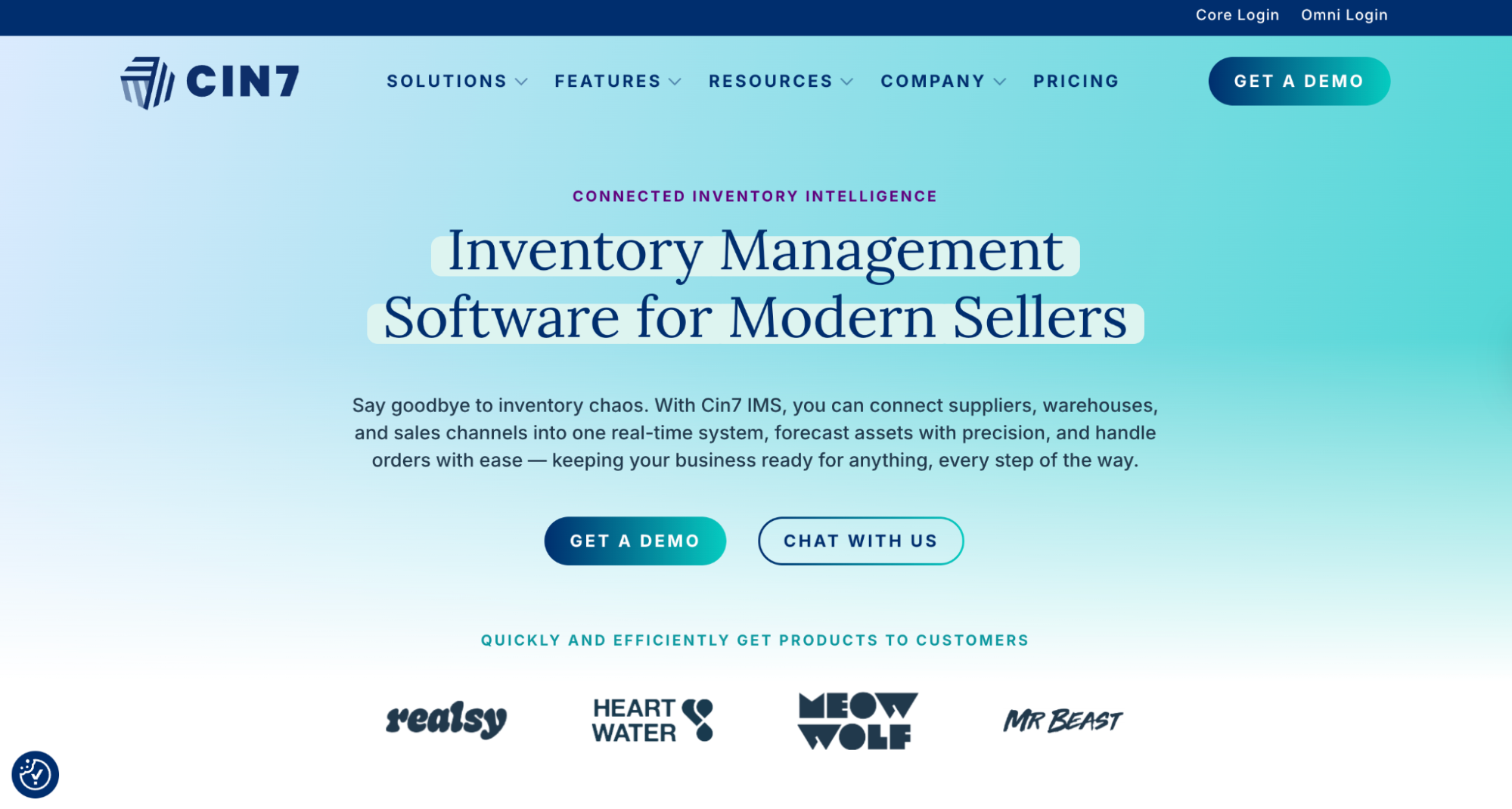
Imagine your brand is juggling sales from every corner of the internet. You're on Amazon, you have a popular Etsy shop, your own Shopify store is booming, and you're fulfilling wholesale orders.
For brands navigating this multi-channel complexity, Cin7 acts as the ultimate connector. It ties all these disparate threads together, streamlining operations and helping you stay on top of every channel with ease.
Key Features:
- Built-in EDI: Essential if you sell wholesale to big retailers like Nordstrom or ASOS.
- Automation: Automates order routing based on stock location.
- 3PL Integration: Connects seamlessly with Third-Party Logistics providers.
Best For: Mid-market to enterprise brands juggling wholesale, marketplaces, and direct-to-consumer (DTC) channels.
4. Shopify POS
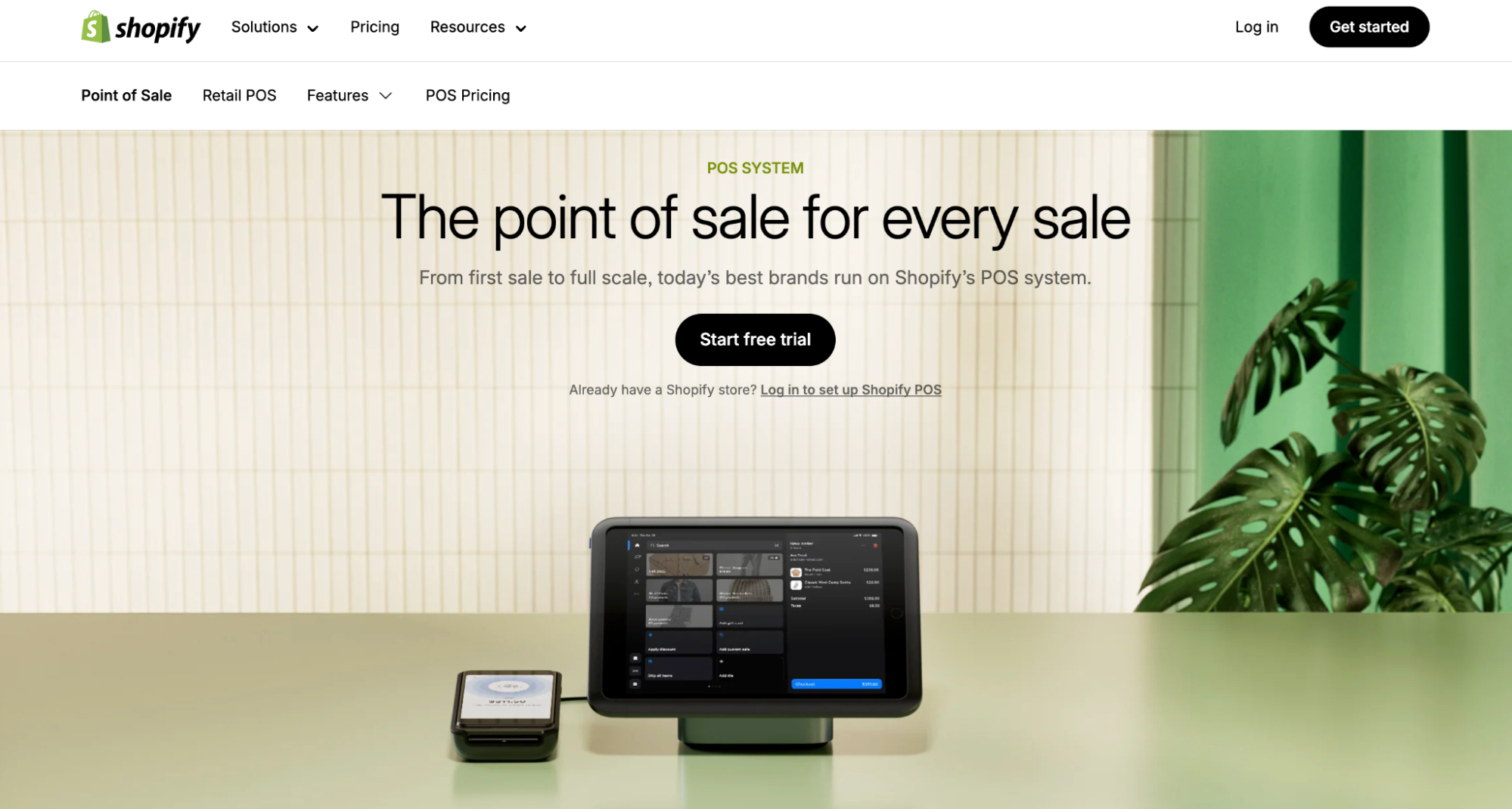
Already running your online store on Shopify? Then it only makes sense to use its native POS for your physical inventory.
Keeping everything in the Shopify ecosystem is the most seamless way to unify your online and offline sales. It streamlines operations, cuts down on setup headaches, and guarantees that your online and offline channels are perfectly in sync.
Plus, you won't need to juggle third-party tools or worry about compatibility problems, making it a powerfully efficient choice for any store owner looking to simplify.
Key Features:
- Unified Data: Your online and offline customers are the same person in the system.
- Smart Grid: Customizable POS interface for store staff.
- Ship to Customer: Sell an item in-store and ship it from your warehouse if the size isn't on the rack.
Best For: Digital-native brands opening their first pop-up or flagship store.
5. Katana
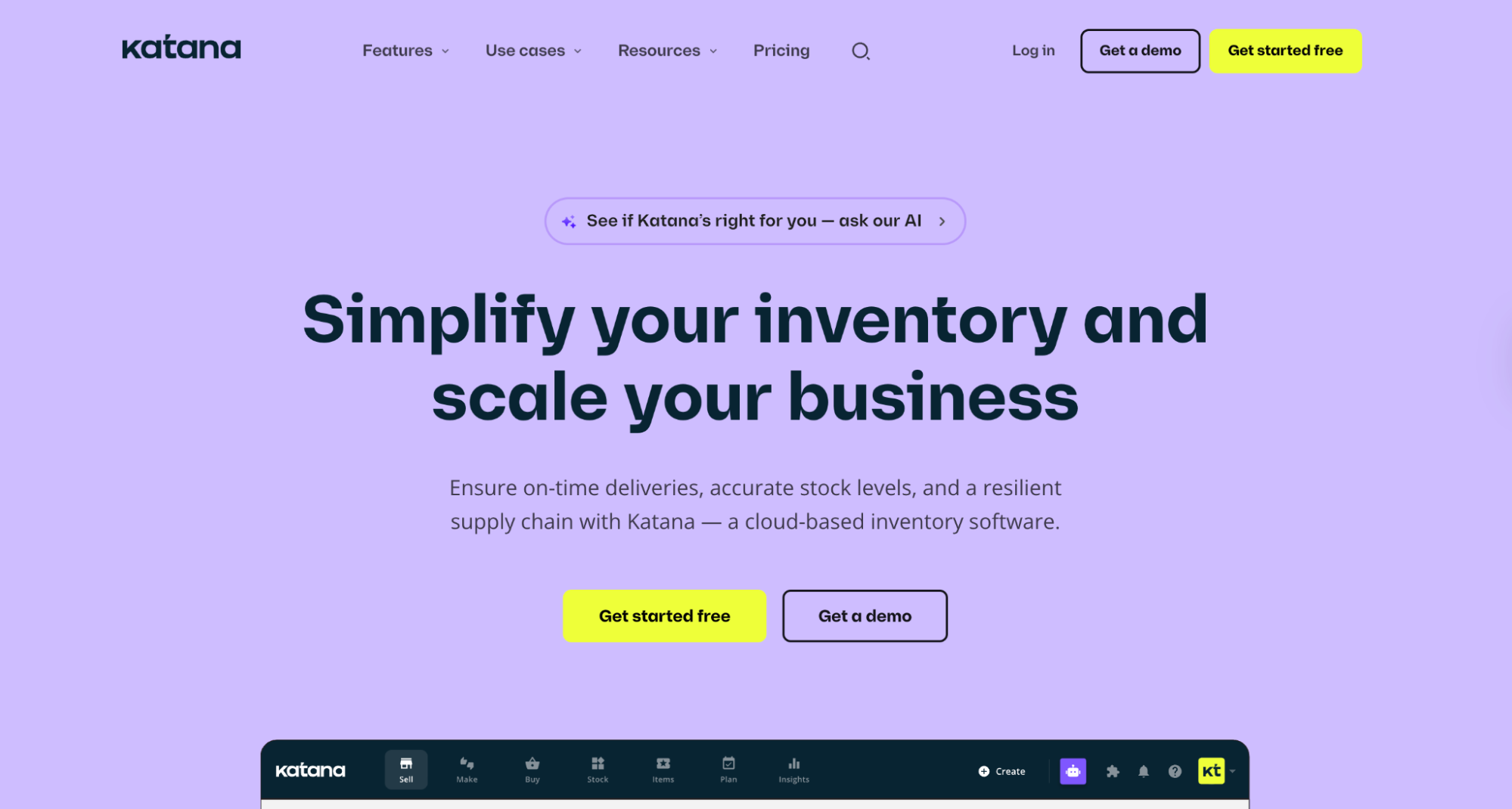
If you sew your own clothes or manage production for a clothing line, standard retail inventory software just doesn’t meet your needs.
Unlike traditional inventory systems designed for finished products, you need tools that allow you to track every detail, from fabric rolls to buttons, zippers, and other essential materials.
Managing these components effectively is crucial to keeping your production process smooth and organized.
Key Features:
- Bill of Materials (BOM): Track exactly how much fabric goes into a size Medium dress.
- Production Scheduling: Know exactly when a batch of shirts will be ready to sell.
- Costing: Calculate the true cost of goods sold (COGS) based on material usage.
Best For: Designers and brands that manufacture their own apparel.
Retail Clothing Store Inventory Management Best Practices
Implementing the right software is step one. Step two is using it correctly. Here are the retail clothing store inventory management best practices you need to adopt.
1. Adopt a First-In, First-Out (FIFO) Approach
Fashion is seasonal. You want to sell the oldest stock first before it goes out of style. Arrange your physical stockroom and your digital fulfillment logic to prioritize older inventory. This keeps your offerings fresh and reduces dead stock.
2. Regular Cycle Counts
Don't wait for the dreaded end-of-year inventory count. Implement cycle counting—counting a small section of your store every week. This helps you catch theft or errors early. For example, count all denim on Monday, all accessories on Tuesday, etc.
3. Categorize with ABC Analysis
Not all clothes are equal.
- A Items: High value, lower sales frequency (e.g., leather jackets).
- B Items: Moderate value, moderate sales (e.g., branded hoodies).
- C Items: Low value, high sales frequency (e.g., socks, basic tees).
Focus your tightest controls and forecasting on your A items, as they tie up the most cash.
4. Set Safety Stock Levels
Supply chains are unpredictable. Safety stock is your insurance policy against delayed shipments or sudden viral trends. Calculate a buffer level for your best-sellers so you never miss a sale.
Common Challenges in Apparel Inventory (and How to Fix Them)
Even with the best tools, fashion retail is tricky.
How to Choose the Right Software for Your Boutique
Choosing the right software partner is a strategic decision that goes beyond just the monthly fee. Before you commit, define your specific needs. Are you purely an online brand, do you have a physical store, or do you manufacture your own clothes?
Check that the software integrates seamlessly with your existing ecommerce platform, like Shopify, and your accounting tools, such as Xero or QuickBooks. It's also crucial to consider scalability—will this system support you when you're handling ten times your current volume.
Finally, evaluate the total cost of ownership, factoring in any setup fees and necessary hardware, to ensure it fits your budget long-term.
Unlock Growth Without the Inventory Burden with Carro
Managing inventory is hard. What if you could grow your business without managing more inventory?
Carro empowers Shopify-based retailers to expand their online retail presence effortlessly.
- Expand Your Catalog: Add complementary products from vetted brands instantly.
- Zero Inventory Risk: No upfront costs for inventory. You only pay when you make a sale.
- Seamless Sync: Automated product syncing ensures you never sell an item your partner doesn't have.
Stop worrying about storage space and start focusing on curating the best possible collection for your customers. Carro’s Dropship Platform makes inventory management for retail clothing store expansion invisible, automated, and profitable.
Mastering inventory management for retail clothing stores is about balancing art and science. The art is your curation—the unique collection you offer that keeps customers coming back. Science is using the right software to ensure every decision you make is profitable.
Whether you're optimizing your in-store stock with a powerful POS system or expanding your online catalog with Carro, the goal remains the same: delivering the right product to the right customer, every single time. By embracing the right tools, you can spend less time on logistics and more time perfecting the art of retail.
Frequently Asked Questions (FAQs)
What is inventory management in the fashion industry?
Inventory management in the fashion industry involves the efficient tracking, storage, and movement of clothing, accessories, and footwear to meet customer demands while minimizing waste and costs. It ensures that retailers have the right products in the right quantities at the right time.
What is the best inventory management software for retail clothing stores?
Carro is the best inventory management software for brands looking to scale and expand their clothing catalog without inventory risk.
How can inventory management improve profitability in fashion retail?
It improves profitability by reducing "dead stock"—items that go unsold and must be discounted. It also prevents "stockouts," ensuring you capture every possible sale when demand is high. Furthermore, tools like Carro allow you to increase Average Order Value (AOV) by offering more products without the cost of buying and storing them.
What are the key features to look for in inventory management tools?
Look for matrix inventory to manage size, color, and style variants, along with real-time syncing across all sales channels. Ensure the system includes automated reordering to prevent stockouts and offers detailed reporting for metrics like sell-through rate and GMROI (Gross Margin Return on Investment).
How often should a clothing store do inventory?
We recommend a "cycle counting" approach where you count a small portion of inventory daily or weekly, ensuring the whole store is counted every quarter. A full wall-to-wall physical inventory count should still happen at least once a year for tax purposes.
Can I manage my clothing store inventory with spreadsheets?
Technically, yes, but it is risky. Spreadsheets do not update in real-time, leading to overselling. They are prone to human error and lack the automation needed for a modern, multi-channel fashion business. As you scale, a dedicated software solution becomes mandatory.


Related Posts
.png)
.png)
.png)
