

Best Affordable Inventory Management Software in 2026 (Feature and Pricing Comparison)
.png)
April 9, 2026

Key Takeaways (TL;DR)
- Zero Inventory Risk is the Ultimate Savings: Carro (now powering Modern Dropship) takes the top spot by allowing you to expand your catalog and sell products without ever buying or storing them, effectively removing inventory costs entirely.
- Automation is Accessible: You don't need an enterprise budget to automate stock updates. Affordable inventory management software in 2026 brings AI-driven efficiency to small and mid-sized businesses.
- Scalability prevents "Cheap" from becoming "Expensive": The cheapest tool is useless if you outgrow it in six months. Look for platforms like Cin7 or Zoho that offer tiered growth.
- Integration is Non-Negotiable: Your chosen software must talk to Shopify, your accounting tools, and your shipping providers to create a "single source of truth."
- Data-Driven Decisions: Even budget-friendly tools now offer insights into sales velocity, helping you stop overstocking and improve cash flow.
Table of Contents
- What is Affordable Inventory Management Software?
- Why Affordable Inventory Management Software Matters in 2026
- Inventory Management Softwares - Feature and Pricing Comparison
- Key Features to Look for in Affordable Inventory Management Software
- How to Choose the Right Inventory Management Software for Your Business
- Ready to Scale Without the Stock? Here’s How Carro Can Help
- Frequently Asked Questions (FAQs)
Best Inventory Tools in 2026: At a Glance Comparison
What is Affordable Inventory Management Software?
When we talk about affordable inventory management software, we aren't just talking about the monthly subscription fee. We are talking about value.
True affordability is about Return on Investment (ROI). A tool that costs $50 a month but causes you to lose $5,000 in sales due to stockouts is not affordable - it’s expensive. Conversely, a platform that costs $300 a month but automates 20 hours of manual labor and prevents overstocking is a bargain.
In 2026, affordable inventory software refers to cloud-based solutions that replace manual spreadsheets with automated tracking. These tools sync your stock levels across your online store (like Shopify) and marketplaces (like Amazon) in real-time. They ensure that when you sell a widget on one channel, it’s instantly deducted from your total count, preventing the nightmare of overselling.
If budget is not a concern for you, consider exploring our article on the best inventory management software in 2026 to find solutions tailored to your needs. This guide reviews top-notch tools that combine advanced features with exceptional performance, making them worthwhile investments for ecommerce businesses looking to scale efficiently.
Why Affordable Inventory Management Software Matters in 2026
The retail landscape has shifted dramatically.
Customer expectations for speed are higher than ever, and supply chains remain volatile.
Relying on "free" methods like Excel or Google Sheets is a recipe for disaster. Spreadsheets are static; your business is dynamic. A single typo in a spreadsheet can lead to thousands of dollars in dead stock or frustrated customers who bought an item that doesn't exist.
Investing in the best affordable inventory management software in 2026 gives you three critical advantages:
- Cash Flow Health: By knowing exactly what you have and what sells fast, you stop tying up cash in slow-moving products.
- Time Reclamation: Automation handles the boring data entry, freeing you to focus on marketing and brand building.
- Scalability: These tools provide the infrastructure to handle 10x your current order volume without breaking a sweat.
Best Affordable Inventory Management Softwares in 2026 (Feature and Pricing Comparison)
We have analyzed the market to bring you a detailed breakdown of the top players.
Whether you are a startup or a scaling enterprise, there is a solution here for you.
1. Carro
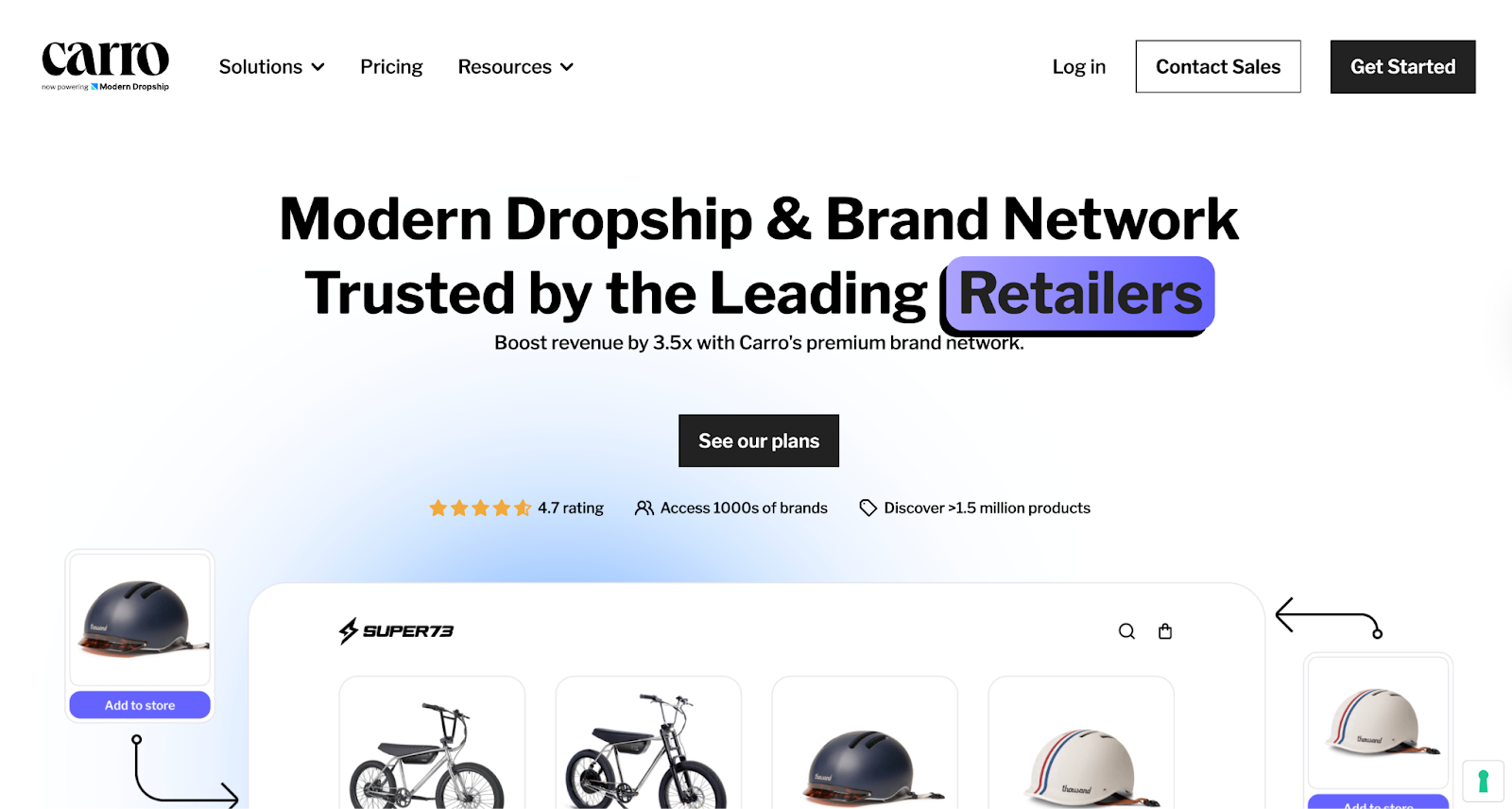
Carro is not just a tool for managing boxes in a warehouse; it is a growth engine that completely redefines what "inventory" means.
For many modern retailers, the most affordable inventory management software is one that eliminates inventory costs entirely.
Carro is the choice for many retailers that are expanding their product catalog without holding inventory, leveraging its collaborative commerce model supported by its dropship platform. It allows you to partner with other top-tier brands and sell their products directly on your Shopify store. You don't buy the stock upfront. You don't pay for storage.
You simply list the products, and when a sale occurs, the order is routed to the supplier brand for fulfillment. This is a great way to grow your ecommerce business without scaling headcount.
Key Features (Pros):
- Hand-Matched Partnerships: The Carro team works directly with retailers and brands to activate the relationships with best fit, either from existing partners or recently introduced ones.
- Automated Order Routing: Orders are split and automatically sent to the correct supplier for fulfillment, removing cumbersome processes done by people.
- Real-Time Sync: Pricing sync and inventory availability and in real time across partners to prevent possible overselling to build trust.
- Unified Cart Experience: Customers purchase your products and partner products in a single, seamless checkout experience.
Who is it for?
For retailers focused on growth, assortment expansion, and capital-efficient operations, the Carro Platform stands apart. It enables companies to scale like a large retailer while staying lean, flexible, and partnership-driven.
Pricing:
Carro offers three pricing tiers, combining a monthly subscription with a transaction fee on each sale:
- Build: $149/month + 7% fee per sale
- Scale (Best Value): $299/month + 5% fee per sale
- Enterprise: Custom pricing with the lowest rates
All plans offer a 20% discount when paid annually, allowing you to pay as you grow.
Verdict:
If your goal is to scale revenue without scaling operational headaches or capital expenditure, Carro is the undisputed leader.
2. Zoho Inventory

Zoho Inventory is a powerful and affordable inventory management software.
It’s part of the larger Zoho ecosystem, which includes tools like Zoho CRM for customer management, Zoho Books for accounting, and Zoho Mail for communication. Together, they offer a seamless, interconnected solution for businesses.
Built for small businesses, Zoho Inventory simplifies stock, order, and sales management. It helps businesses stay organized and focused on growth without overspending.
Key Features (Pros):
- Multi-Channel Selling: Syncs with Amazon, eBay, Etsy, and Shopify seamlessly.
- Shipping Integrations: Print shipping labels and track packages directly from the dashboard.
- Bundling/Kitting: Great for creating product bundles to move inventory faster.
- Mobile App: excellent for scanning barcodes and checking stock on the go.
Who is it for?
Startups and small businesses (under 10 employees) who need a free or low-cost entry point into professional inventory management.
Pricing:
Zoho is famous for its "Forever Free" plan for low-volume sellers. Paid plans are very competitively priced, making it a great entry-level option.
Verdict:
Zoho is a great "first step" away from spreadsheets. It’s reliable, integrates well, and won’t break the bank.
3. inFlow
inFlow places a strong emphasis on creating B2B features that are both powerful and easy to use. If you’ve found other software interfaces to be clunky, unintuitive, or just plain frustrating, inFlow will feel like a breath of fresh air with its user-friendly design and thoughtful layout.
One standout feature is the "Showroom" a built-in B2B portal designed specifically for wholesale clients. This feature makes it easier for your clients to browse your offerings, place orders, and interact with your business in a streamlined, professional way, enhancing their overall experience while simplifying the process for you.
Key Features (Pros):
- B2B Showroom: A personalized online catalog for your wholesale customers.
- Barcoding: Strong support for barcode generation and scanning.
- Smart Reporting: Intuitive visuals for sales and inventory reports.
- Ease of Setup: Known for being one of the easiest platforms to implement.
Who is it for?
Wholesalers and distributors who need to manage B2B orders alongside their standard inventory.
Pricing:
inFlow uses a subscription model. While not the cheapest on this list, it offers high value for B2B sellers.
Verdict:
A solid choice if you prioritize a clean user interface and have a B2B component to your business.
4. Cin7
Cin7, which includes both Cin7 Core and Cin7 Omni, stands out as a true powerhouse in the inventory management space. It's particularly strong for brands looking for a comprehensive solution that excels at what they call "Connected Inventory."
This means it’s designed to seamlessly bridge the gap between all your sales channels, connecting everything from your online storefronts and physical POS systems to your warehouse operations, ensuring everything stays perfectly in sync.
Key Features (Pros):
- Total Visibility: See stock across Shopify, Amazon, Walmart, and your brick-and-mortar store in one view.
- Built-in POS: Includes Point of Sale software for physical retail.
- Automated Workflows: Set rules to route orders to the nearest warehouse automatically.
- Production Module: Basic manufacturing features for light assembly.
Who is it for?
Mid-market retailers who are selling everywhere - online, in-store, and on marketplaces - and need a central brain for their operations.
Pricing:
Cin7 is priced higher than Zoho but lower than enterprise ERPs. It sits in the "mid-market" sweet spot.
Verdict:
If you are juggling three or more sales channels, Cin7’s automation capabilities will pay for the subscription cost in time saved alone.
5. EasyReplenish
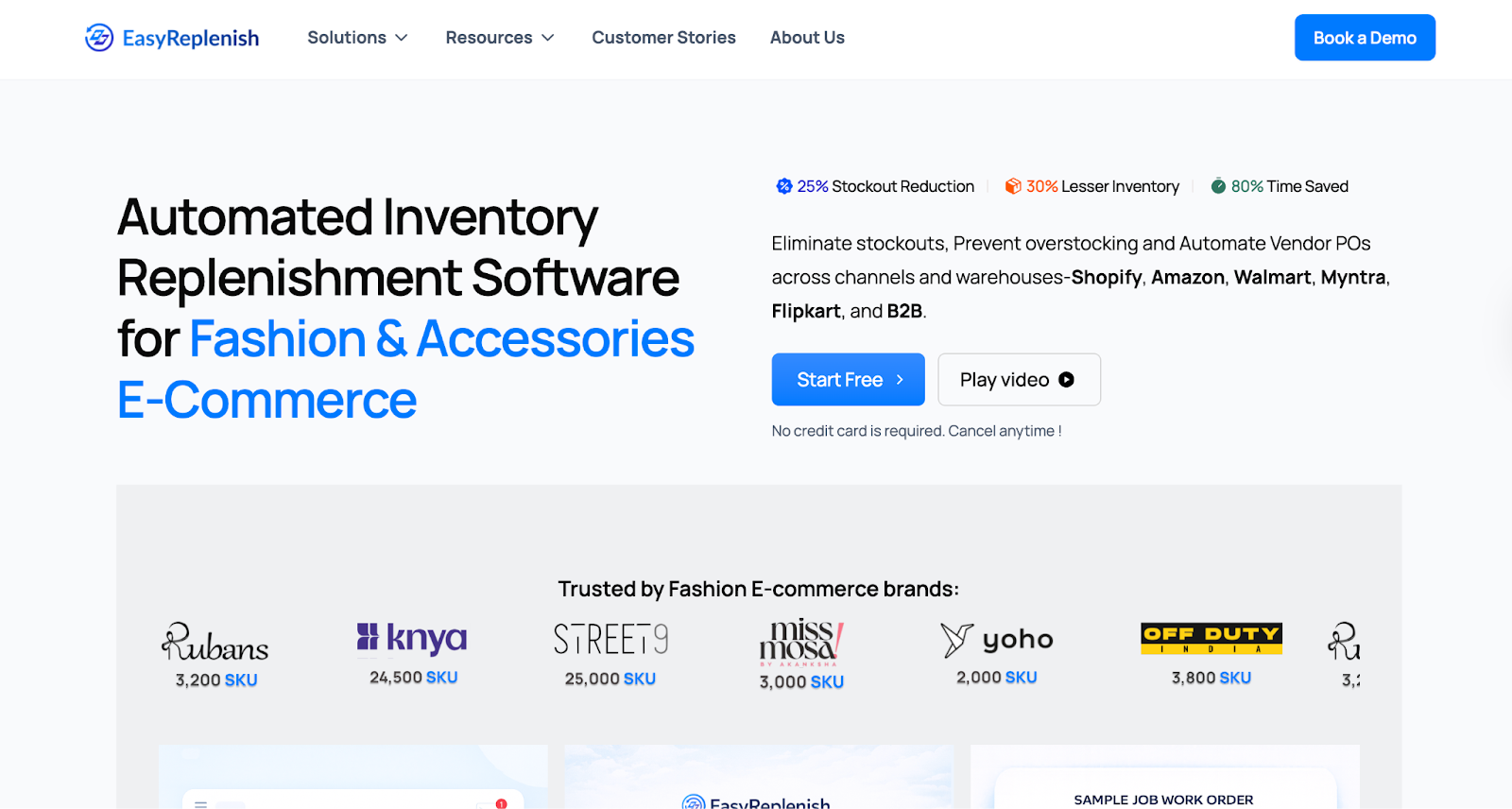
Sometimes the biggest headache in inventory management isn't just counting what you have - it’s knowing exactly when it’s time to buy more.
EasyReplenish is designed specifically to solve this critical pain point, taking the guesswork out of your supply chain. Rather than acting as a full-scale warehouse management system, it functions as a highly specialized purchasing automation tool that streamlines your reordering process, ensuring you never miss a beat or run out of stock when it matters most.
Key Features (Pros):
- Demand Forecasting: Uses historical sales data to predict future needs.
- Automated POs: Drafts purchase orders for you when stock hits a certain threshold.
- Lead Time Management: Accounts for how long suppliers take to ship.
Who is it for?
D2C brands that struggle with stockouts or overordering and need help with the math of replenishment.
Pricing:
Generally affordable and tiered based on order volume.
Verdict:
A niche but powerful tool. If your main issue is purchasing accuracy, this is a good solution.
6. NetSuite
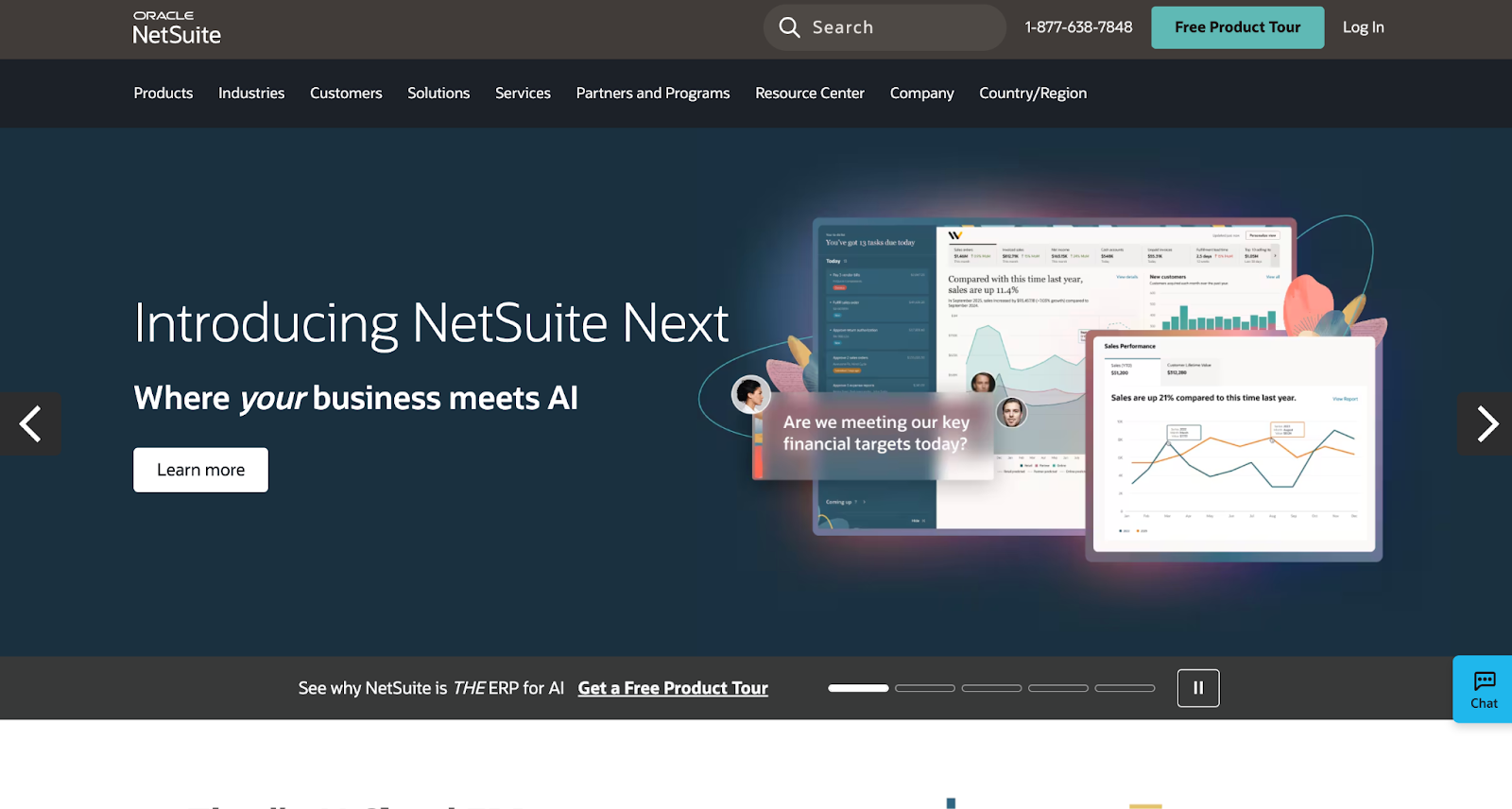
You might be wondering why a powerhouse like NetSuite is included on a list of affordable inventory management software. It’s a fair question, especially given its reputation and typically higher price point. But for large enterprises managing vast and complex operations, NetSuite stands out as the most efficient option available.
In that context, its ability to streamline countless processes makes it incredibly cost-effective in the long run. It's not just an inventory tool; it's a complete ERP (Enterprise Resource Planning) system designed to unify every facet of your business.
Key Features (Pros):
- All-in-One: Inventory, Accounting, CRM, and HR in one database.
- Global Scale: Handles multiple currencies, subsidiaries, and tax laws.
- Advanced Supply Chain: Deep visibility into every step of the supply chain.
Who is it for?
Large organizations with complex operations where disjointed software would cost millions in inefficiencies.
Pricing:
Custom pricing based on modules and users. High entry cost.
Verdict:
Not "cheap" but offers great value for large-scale operations.
Key Features to Look for in a Budget-Friendly Inventory Management Software
When shopping for an affordable inventory management software, do not compromise on these essentials:
- Real-Time Bi-Directional Sync: The software must update your sales channel immediately when stock changes, and vice versa. Lag time leads to overselling.
- Product Bundling (Kitting): The ability to sell a "shampoo + conditioner" bundle while deducting one of each unit from inventory is crucial for marketing.
- Low Stock Alerts: You should receive a notification before you run out of product, not after.
- Integrations: Look for "plug-and-play" integrations with Shopify, Xero/QuickBooks, and ShipStation. Custom integrations are expensive and break easily.
- Reporting: You need to know your "Inventory Turnover Ratio" and "Sell-Through Rate." Good software calculates this for you.
How to Choose the Right Affordable Inventory Management Software for Your Business
Selecting the best affordable inventory management software is about matching the tool to your current stage of growth.
- For the "Virtual" Retailer: If you want to sell products without holding boxes, Carro is the only logical choice. It removes the capital requirement of inventory entirely.
- For the Bootstrapped Startup: If you have physical stock but a $0 budget, start with Zoho Inventory's free plan. It builds good habits early.
- For the Scaling D2C Brand: If you are doing $1M-$10M in revenue and selling on Amazon and Shopify, look at Cin7. You need the automation to keep up with volume.
- For the Manufacturer: If you make your own goods, look for tools with "BOM" (Bill of Materials) management, like inFlow or advanced versions of Cin7.
Pro Tip: Don't just look at the monthly fee. Look at the implementation cost. Some expensive tools require thousands of dollars in consulting fees to set up. Tools like Carro and Zoho are designed for rapid, self-service onboarding.
Ready to Scale Without the Stock? Here’s How Carro Can Help
Inventory management is often seen as a defensive strategy - protecting against errors. But with Carro, it becomes an offensive strategy for growth.
Traditional inventory software helps you manage the stock you already bought (and trapped cash in). Carro helps you access the stock you haven't bought.
By leveraging Carro’s collaborative commerce network, you can:
- Launch new categories overnight: Add a "Home Goods" section to your apparel store instantly.
- Test markets risk-free: See if your customers like a product before you commit to manufacturing it.
- Keep customers happy: If you run out of your own stock, offer a partner's product to save the sale.
Ready to stop worrying about stockouts and start focusing on sales? Get Started with Carro today.
Everything You Need to Know About Affordable Inventory Management Tools
Frequently Asked Questions (FAQs)
What is the best affordable inventory management software?
Carro is the best inventory management software for businesses looking to grow without the expense of holding physical stock, becoming much more affordable as consequence. It enables you to expand your product offerings and drive profitability through dropshipping partnerships.
What is the average cost of inventory management software?
On average, small businesses pay $100 to $200 per month for basic inventory management software, while larger enterprises can spend $500 to $2,000+ monthly for advanced features like customizable order delays and multi-channel integrations.
Is affordable inventory management software secure?
Yes. Top-tier affordable solutions like Carro, Cin7, and Zoho utilize enterprise-grade security, including data encryption and compliance with GDPR and CCPA regulations. They are often more secure than hosting sensitive data on a local spreadsheet on your laptop.
What is the difference between inventory management and dropshipping?
Inventory management typically involves tracking stock you own and store, while dropshipping lets you sell products you don’t own, with a supplier handling the shipping. Carro bridges this gap by enabling established brands to dropship for one another, combining the reliability of wholesale with the convenience of dropshipping.
Do these tools integrate with Shopify?
Yes, integration with Shopify is the industry standard. All the tools listed in this article, including Carro, have native, seamless integrations with Shopify to ensure your inventory counts are always accurate.


Related Posts
.png)
.png)
.png)
