How to Sell on Shopify Without Inventory in 2026 (Step-By-Step)
Start selling on Shopify without buying inventory. Complete guide to dropshipping, finding suppliers, and building a zero-risk online store.

Key Takeaways (TL;DR)
- Zero Inventory is Possible: You can run a successful Shopify store without buying or holding any physical stock, dramatically lowering financial risk and startup costs.
- Dropshipping is the Top Model: Dropshipping is the most flexible and scalable method. It allows you to offer a vast catalog of products where suppliers handle all the shipping and handling.
- Carro is Your Dropship Solution: Carro is the best dropship platform and sourcing partner for finding vetted products from trusted brands, letting you easily add them to your store and automate the order fulfillment process.
- Multiple Methods Exist: Besides dropshipping, other inventory-free models include print-on-demand (for custom products), selling digital products, and affiliate marketing.
- Success Requires Strategy: Winning in this space means choosing the right niche, partnering with reliable suppliers, creating a professional storefront, and implementing a smart marketing plan.
Top Inventory-Free Shopify Models: A Quick Comparison
| Method | Pros | Cons | Who Is It For? |
|---|---|---|---|
| Dropshipping | Massive product variety, low startup costs, no inventory management, highly scalable. | Lower profit margins, dependent on supplier performance, potential shipping complexities. | Entrepreneurs who want maximum flexibility and a wide product catalog without financial risk. |
| Print-on-Demand | Creative control, unique branded products, no pre-purchased stock. | Limited to specific product types (apparel, mugs, etc.), longer fulfillment times. | Artists, designers, and creators who want to monetize their designs or merchandise. |
| Digital Products | High profit margins, instant delivery, infinitely scalable, no shipping costs. | Requires creating high-value content, risk of digital piracy, competitive market. | Experts, educators, and creators who can produce valuable digital assets like ebooks or courses. |
| Affiliate Marketing | Easiest to start, zero customer service responsibility, no order management. | Lowest profit margins (commission-based), no control over product experience, builds someone else's brand. | Bloggers and content creators who want to monetize their audience without running a full online store. |
The Dream of a Risk-Free Retail Business
Learning how to sell on Shopify without inventory is the key to unlocking a modern, agile, and powerful ecommerce business.
Imagine launching a beautiful online store filled with desirable products, but without a garage full of boxes, without spending thousands on upfront stock, and without the risk of unsold goods gathering dust. This isn't a fantasy; it's a completely achievable business model that smart entrepreneurs are using to build profitable brands.
By removing the single biggest barrier to entry - inventory investment - you free up capital, reduce risk, and gain the flexibility to pivot and grow at a speed traditional retail can only dream of. This guide will walk you through everything you need to know, from the most effective methods to a step-by-step plan for launching your own inventory-free store.
The Powerful Benefits of Selling on Shopify Without Inventory
Choosing to build your business without the burden of physical stock isn't just a workaround; it's a strategic advantage.
Here are the core benefits that make this model so compelling.
1. Lower Financial Risk and Startup Costs
This is the most significant advantage. Traditional retail requires a massive upfront investment in products. You have to guess what will sell, buy it in bulk, and hope you were right. If not, you're left with dead stock and a major financial loss.
When you sell without inventory, your main costs are your Shopify subscription and marketing. You only purchase a product after a customer has already paid you for it.
2. Endless Flexibility and Scalability
Want to test a new product line? With dropshipping, you can add it to your store in minutes. If it doesn't sell, you can remove it with a click - no harm done. This agility allows you to follow trends and respond to customer demand instantly.
Scaling is also far simpler. You aren't limited by warehouse space or the capital to buy more stock. Your growth is tied to your marketing effectiveness, not your operational capacity.
3. Reduced Operational Headaches
Managing inventory is a complex job. It involves tracking stock levels, handling warehouse logistics, packing boxes, managing shipping, and processing returns. By selling without inventory, you outsource all of these operational tasks to your suppliers.
This frees you to focus on the activities that actually grow your business:
- Brand Building
- Marketing and Customer Acquisition
- Customer Service
4. Work From Anywhere
Without a physical warehouse to manage, your business becomes completely location-independent. All you need is a laptop and an internet connection to run your Shopify store, communicate with suppliers, and manage marketing campaigns.
This offers a level of freedom and lifestyle design that a traditional business cannot.
How to Start Selling on Shopify Without Inventory?
Several proven models allow you to sell products without ever touching them.
Each has unique pros and cons, making them suitable for different types of entrepreneurs.
1. Dropshipping
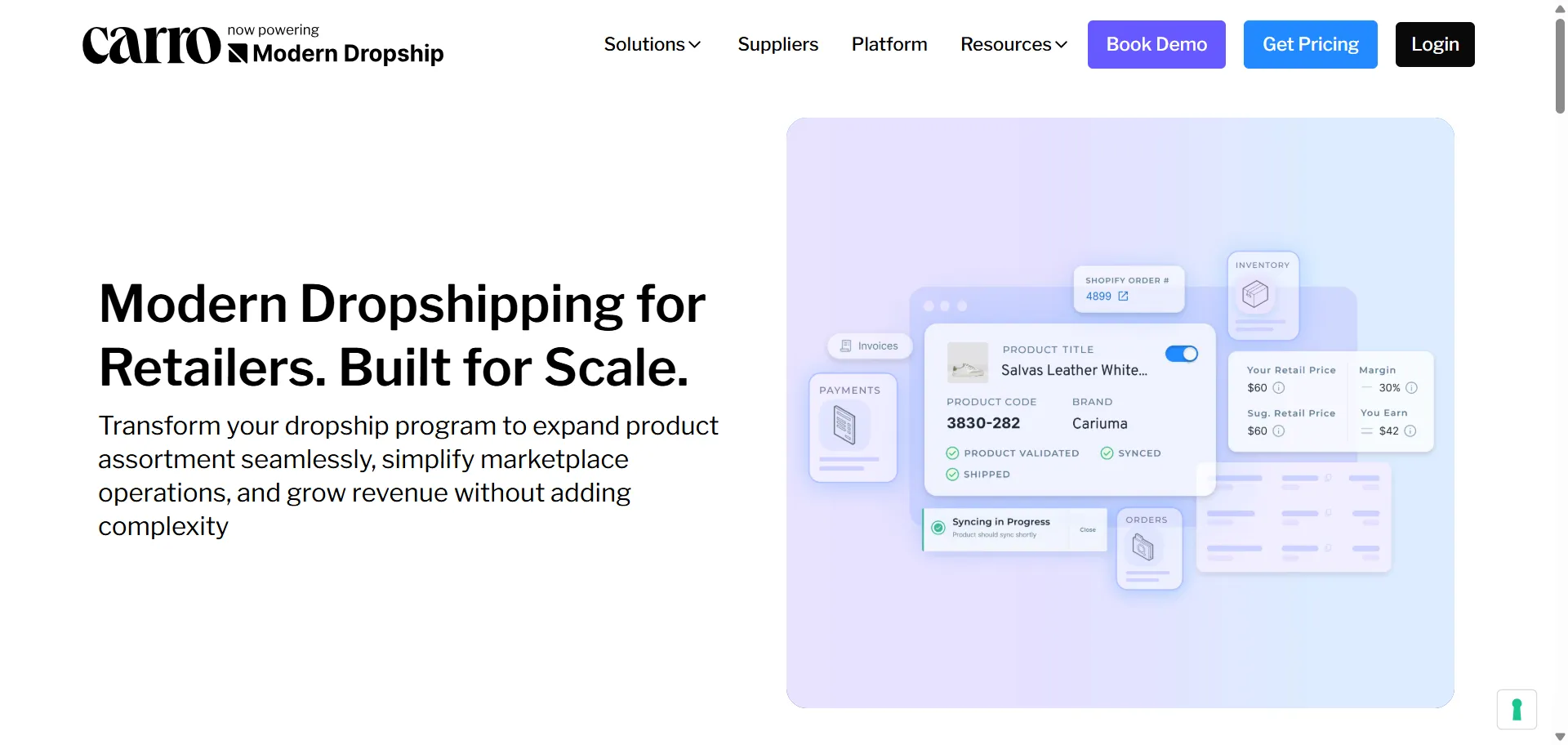
Dropshipping stands as the most popular and versatile method for selling without inventory. In this model, you list a supplier's products in your Shopify store, acting as the digital storefront for customers.
When a customer places an order, you simply forward it to your supplier. From there, the supplier takes over, shipping the product directly to the customer's doorstep. You manage the customer-facing experience, while the supplier handles all the physical logistics.
- Pros:
- Massive Product Selection: You can sell products from virtually any category without restriction.
- Low Barrier to Entry: It's the cheapest and fastest way to launch a full-featured ecommerce store.
- High Scalability: Effortlessly add new products and handle a high volume of orders.
- Cons:
- Lower Profit Margins: Because you're buying products one at a time, your cost per item is higher than buying in bulk.
- Supplier Dependency: Your reputation is in your supplier's hands. Their shipping times and product quality directly impact your brand.
- Complex Shipping: If you use multiple suppliers, customers may receive items in separate packages at different times, which can be confusing.
- Who Is It For? Entrepreneurs who want maximum flexibility, a wide product catalog, and the ability to test the market quickly. It's perfect for those who want to focus on marketing and brand building over logistics.
2. Print-on-Demand (POD)

Print-on-demand is a specialized form of dropshipping where you sell products with your own custom designs. You create the artwork, and a POD service handles the rest.
They provide a catalog of blank products - t-shirts, hoodies, mugs, posters, you name it - and when a customer orders an item with your design, the POD company prints it, packs it, and ships it directly to them.
- Pros:
- Creative Freedom: You can sell unique, branded products that no one else has.
- No Inventory Risk: Products are only created after they are ordered and paid for.
- Hands-Off Fulfillment: The POD partner handles all printing and shipping logistics.
- Cons:
- Limited Product Range: You are restricted to the catalog of items your POD partner offers.
- Longer Fulfillment Times: Printing takes time, so delivery is slower than with pre-stocked items.
- Lower Margins: The cost of custom printing and fulfillment is higher than standard dropshipping.
- Who Is It For? Artists, designers, influencers, and brands with a strong visual identity. It's a fantastic way to monetize creativity and build a loyal community around a unique aesthetic.
3. Digital Products

This model involves creating and selling non-physical goods. Think ebooks, online courses, software, music, stock photos, or design templates. Shopify has excellent apps, like Digital Downloads, to facilitate the instant delivery of these products upon purchase.
- Pros:
- Extremely High Profit Margins: Once created, a digital product can be sold an infinite number of times with almost no additional cost.
- Instant Gratification for Customers: Buyers get their product immediately after checkout.
- No Shipping or Logistics: The entire process is automated and digital.
- Cons:
- High Upfront Time Investment: Creating a high-quality digital product (like a comprehensive course) can take a lot of work.
- Risk of Piracy: Digital files can be easily copied and distributed illegally.
- Value Perception: You must work hard to prove the value of an intangible product.
- Who Is It For? Experts, educators, coaches, authors, and creators who have valuable knowledge or skills to share. If you can package your expertise into a digital format, this can be an incredibly profitable model.
4. Affiliate Marketing

While not a direct ecommerce model, you can use a Shopify store as a platform for affiliate marketing.
In this setup, you write reviews, create content, and promote other companies' products. You link to their sales pages using a unique affiliate link. If a customer clicks your link and makes a purchase, you earn a commission.
- Pros:
- Lowest Effort and Risk: You don't manage products, orders, or customer service at all.
- Zero Cost: You don't buy anything, ever.
- Flexibility: You can promote products from any company with an affiliate program.
- Cons:
- Lowest Profit Potential: Commissions are typically a small percentage of the sale price.
- No Customer Relationship: You send traffic away from your site and have no control over the final purchase experience.
- Building Someone Else's Brand: All your marketing efforts ultimately strengthen the brand you are promoting, not your own.
- Who Is It For? Content creators, bloggers, and niche site builders who have an established audience and want to monetize their traffic without the responsibilities of running a store.
Why Dropshipping is the Ultimate Solution for Inventory-Free Commerce
While many commerce models have their place, dropshipping offers the strongest balance of flexibility, scalability, and capital efficiency for modern retailers.At its best, dropshipping allows you to build a real brand and a durable ecommerce asset. You control the customer experience, own the customer relationship, and expand your assortment without tying up capital in inventory.
This is the foundation of how to sell on Shopify and other platforms without inventory while still creating long-term value. That said, the success of any dropshipping strategy depends almost entirely on one thing: who you partner with.
Slow shipping, inconsistent quality, or poor communication from suppliers can quickly erode customer trust. This is where many dropshipping businesses fail. They rely on anonymous suppliers, transactional relationships, and product-first sourcing, hoping volume will make up for poor alignment.
The modern approach is different. It is collaborative, intentional, and demand-driven. Instead of browsing massive catalogs or chasing generic products, today’s successful retailers start with existing partnerships, audience demand, and brand identity. From there, they expand thoughtfully by filling assortment gaps with complementary, best-in-class brands and distributors.
This is the model enabled by Carro (now powering Modern Dropship). Carro is a collaborative dropship and marketplace management platform designed for curated retail experiences. Rather than offering a browsable catalog, the platform focuses on purpose-driven matching, where Account Managers work directly with retailers to connect them with brands and distributors that meet specific demand, customer expectations, and strategic goals.
Once partnerships are established, Carro handles the operational complexity. Products are integrated into your store, orders are automatically routed to suppliers for fulfillment.
A Step-by-Step Guide to Dropshipping on Shopify Without Holding Inventory
Ready to launch your own store?
Here is the blueprint for dropshipping on Shopify without holding inventory.
Step 1: Define Your Niche and Audience

You can't sell everything to everyone. The most successful stores are focused. A niche is a specialized segment of the market. Instead of a "general goods" store, you could open a store for:
- Sustainable home goods
- Outdoor gear for dog owners
- High-performance coffee accessories
- Minimalist office decor
Choosing a niche helps you:
- Target Your Marketing: It’s easier to find customers when you know exactly who you're looking for.
- Build a Brand: A focused store feels more authentic and trustworthy.
- Reduce Competition: It's easier to stand out in a smaller market segment.
Brainstorm niches you are passionate or knowledgeable about. Research their size, competition, and profitability using tools like Google Trends and keyword research.
For inspiration, check out this list of the best dropshipping niches to explore ideas that align with your interests and business goals.
Step 2: Choosing the Right Dropshipping Partners: The Most Critical Step

This is the most important decision you’ll make when building an inventory-free commerce strategy. Your search for dropshipping suppliers without inventory should prioritize quality, reliability, and long-term partnership, not simply the lowest possible cost. Where many dropshipping businesses go wrong is supplier selection.
The Old Way
Retailers sift through open marketplaces like AliExpress, navigating language barriers, long shipping timelines, inconsistent product quality, and little to no accountability. These transactional relationships often lead to poor customer experiences and long-term brand damage.
The New Way (Recommended)
Modern dropshipping is collaborative, curated, and demand-driven.Instead of browsing endless product catalogs, retailers launch structured dropship programs and work directly with experienced teams to expand their assortment with intention. This is the approach enabled by Carro (now powering Modern Dropship).
Carro focuses on retailers that already understand their customer and brand positioning. From there, Account Managers help identify gaps, validate demand, and connect retailers with best-in-class brands and distributors from a global ecosystem—ensuring every product added serves a clear purpose.
How It Works with Modern Dropship App (now powered by Carro)
- Connect Your Commerce Platform: Install Modern Dropship powered by Carro app via Shopify or directly through the retailer API to support custom storefronts and headless commerce setups.
- Define Demand and Assortment Gaps: Work with an expert team to identify where expanded product selection will increase relevance, conversion, and average order value.
- Curated Partner Matching: Rather than browsing a catalog, Carro’s team connects you directly with trusted US and international brands and distributors that align with your demand, audience, and brand values.
- Activate Partnerships: Partnerships are established with support from the Carro team which works directly with retailers and brands to activate the right relationships, whether they’re existing partners or newly introduced ones.
Step 3: Set Up Your Shopify Store
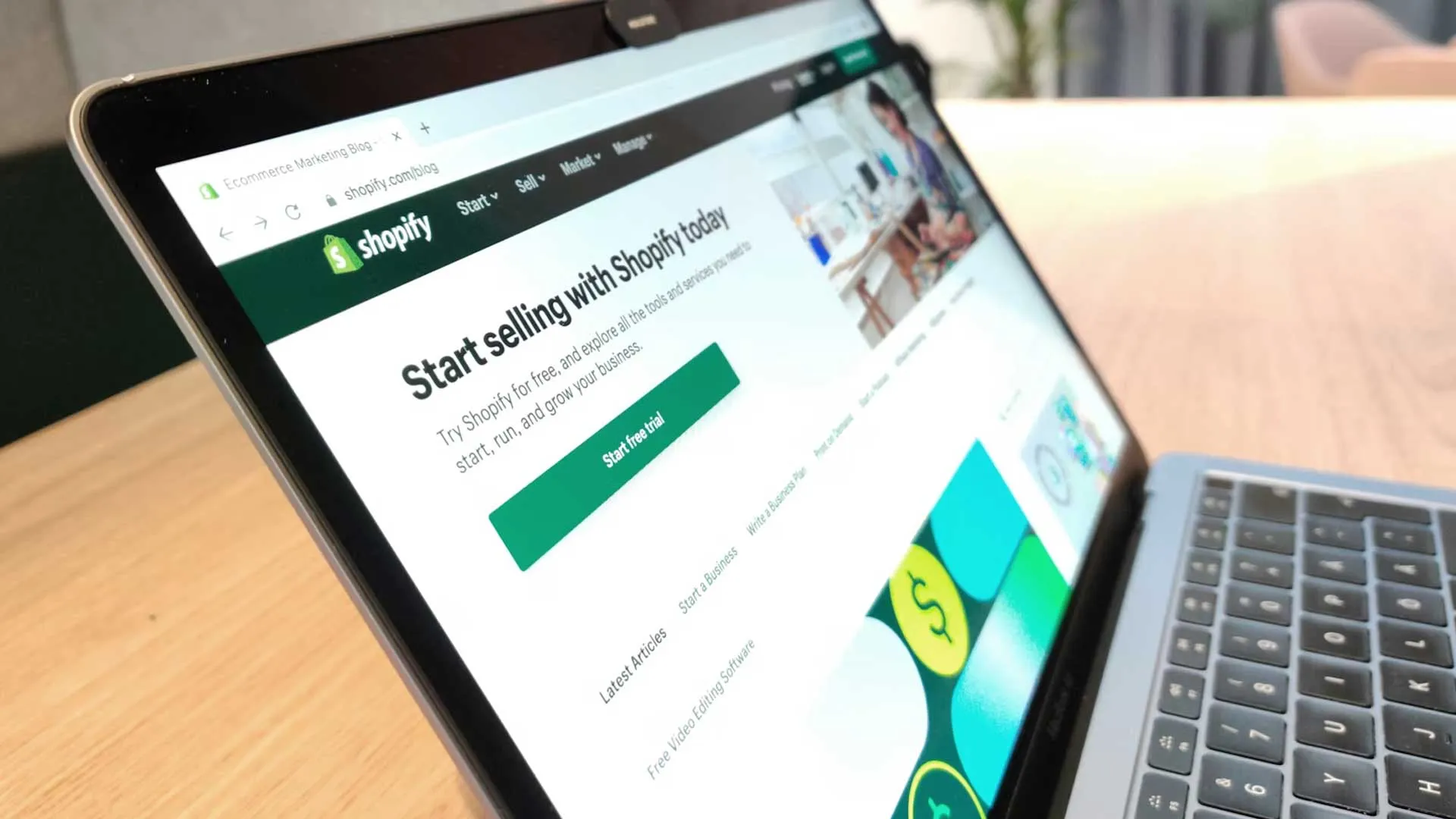
With your niche and suppliers sorted, it's time to build your storefront. Shopify makes this incredibly intuitive:
- Sign Up for Shopify: Start with their free trial to get a feel for the platform.
- Choose a Theme: Select a professional theme from the Shopify Theme Store. Your theme is the visual foundation of your brand, so choose one that fits your niche. Both free and paid options are excellent.
- Customize Your Store: Add your logo, choose brand colors, and design your homepage. Create essential pages like an "About Us" page to tell your story, a "Contact Us" page, and a "Shipping Policy" page.
- Configure Settings: Set up payment gateways (like Shopify Payments and PayPal), define your shipping rates (you can offer free shipping and build the cost into the product price), and configure your checkout process.
Step 4: Craft Compelling Product Pages

Your product pages do the selling. Don't just copy and paste the supplier's description.
Elevate it. Follow some of these best practices.
- Write Unique Descriptions: Focus on the benefits, not just the features. How does this product make your customer's life better? Tell a story.
- Use High-Quality Images and Videos: Use the professional assets provided by your brand partners. Add lifestyle shots that show the product in use.
- Add Social Proof: Include customer reviews and ratings as soon as you get them. Apps like Loox or Yotpo can help automate this.
- Be Clear About Shipping: Set realistic expectations for shipping times. Honesty builds trust.
Step 5: Master Your Marketing and Promotion

Your store is built, but now you need to attract visitors. This is where you'll spend most of your time and budget:
Content Marketing: Become the Go-To Resource in Your Niche
Don’t just sell a product; sell the expertise and lifestyle that goes with it. By creating a blog or YouTube channel, you transform your store from a simple transactional site into a trusted destination.
When you provide genuine value, you build an audience that actually wants to hear from you, turning casual browsers into a loyal community.
- Pro Tip: Use the "Education-First" approach. If you sell specialized coffee gear, create deep-dive brewing guides or "Top 5" gear reviews. This builds authority and keeps your brand top-of-mind when customers are finally ready to click "buy."
Social Media Marketing: Build a Community, Not a Billboard
Social media is where your brand comes to life. It’s the digital storefront where your personality shines through and your values take center stage.
Focus your energy on the platforms where your target audience truly lives - whether it’s the curated visual aesthetic of Instagram or the raw, high-energy vibes of TikTok. The goal here is authentic engagement, not just promotion. Don’t treat your feed like a static billboard; treat it as a conversation.
When you foster a genuine community, you aren't just gaining followers - you’re building a movement around your brand.
- Pro Tip: Leverage user-generated content (UGC). Repost photos of customers using your products or share behind-the-scenes stories. Authentic interactions beat polished ads every time in terms of building long-term brand loyalty.
Paid Advertising: Target with Precision and Scale with Confidence
Paid ads on platforms like Facebook, Instagram, and Google are the quickest way to drive traffic, but they demand a strategic touch.
Instead of casting a wide, expensive net, use advanced targeting to put your products directly in front of the people who are most likely to love them.
- Pro Tip: Always lead with a "test-and-learn" mindset. Start with a modest budget and run A/B tests on your headlines and visuals. Once you find a creative that converts, double down and scale your spend to maximize your Return on Ad Spend (ROAS).
Email Marketing: Own Your Audience and Drive Repeat Sales
Your email list is your most valuable asset. Why? Because you own the relationship - no algorithms, no unpredictable platform changes, and no gatekeepers required. It is your direct line to the people who matter most to your brand.
Start building that connection from day one. Capture attention with an irresistible offer, such as a first-purchase discount or an exclusive guide, to turn casual visitors into a loyal community.
- Pro Tip: Automation is your best friend here. Set up "Abandoned Cart" sequences to recover lost sales and "Welcome" flows to introduce new subscribers to your brand story. Regular newsletters that balance promotion with helpful content will turn one-time buyers into lifelong fans.
Step 6: Manage and Optimize Your Operations

Running a lean business doesn't mean you can overlook the details.
Success in collaborative commerce requires a commitment to excellence in the areas you control.
Prioritize Exceptional Support
Your brand lives and dies by its reputation. In a crowded market, providing fast, helpful, and empathetic responses isn't just a courtesy - it’s your ultimate competitive advantage.
By prioritizing seamless communication, you transform simple inquiries into moments of trust that solidify your brand's standing.
Monitor and Optimize
While Carro expertly automates the heavy lifting of the fulfillment process, success still lies in the details you control. Make it a habit to keep a close eye on your dashboard. Monitoring your activity ensures that every order flows seamlessly from click to delivery.
By staying proactive, you can guarantee a flawless experience for every customer, ensuring that your collaborative commerce operations are always running at peak performance.
Let Data Guide Your Growth
Don't guess - know. Use Shopify and Google Analytics to track your traffic, conversion rates, and top-selling products. By understanding these metrics, you can refine your marketing strategy and scale your brand with confidence.
Data isn't just a set of numbers; it's the roadmap to your future success. When you dive into your analytics, you uncover the story of your customers - what they love, where they linger, and what drives them to buy.
Armed with these insights, you can stop throwing spaghetti at the wall and start making strategic moves that move the needle. Whether it's doubling down on a trending product category or tweaking your checkout flow, let the data empower you to grow smarter and faster.
Build Your Dream Store Today, Without the Inventory Nightmare
You now have the complete playbook for how to sell online without holding inventory.
By leveraging dropshipping and collaborative commerce, the barriers that once stood in the way of launching and scaling a retail business have largely disappeared. You no longer need a massive upfront investment, warehouse space, or a tolerance for outsized financial risk.
What you do need is a clear point of view, a commitment to building a brand, and the right infrastructure to support it by providing robust inventory management tools.
Dropshipping provides the foundation, but collaboration is what makes it sustainable. Modern Dropship, powered by Carro, replaces transactional sourcing with purpose-driven partnerships.
Instead of relying on anonymous suppliers, retailers work with trusted brands and distributors, supported by technology that automates inventory sync, order routing, and fulfillment across platforms. This model removes the greatest weakness of traditional dropshipping—supplier risk—and replaces it with alignment, accountability, and operational simplicity.
Stop thinking about the store you might build someday. With Carro (now powering Modern Dropship), you can expand your assortment, meet real consumer demand, and grow an inventory-free business designed for long-term relevance.
Ready to start selling without buying stock? Discover thousands of products you can sell today!
Final Step-by-Step Overview: Building a Shopify Store Without Inventory
| Step | Action | Key Tasks | Purpose |
|---|---|---|---|
| 1 | Define Your Niche and Audience | Market Segment: Identify a specialized market segment Research: Research niche size, competition, and profitability Tools: Use Google Trends and keyword research tools Passion Alignment: Focus on areas you're passionate or knowledgeable about | Target marketing effectively, build an authentic brand, and reduce competition |
| 2 | Manage Reliable Suppliers | Install App: Install the Modern Dropship powered by Carro app on Shopify Browse Products: Browse millions of products from vetted brands Partnerships: Request partnerships with brands Product Syncing: Add products with automatic syncing of info, images, and inventory | Ensure quality, reliability, and fast shipping from trusted partners |
| 3 | Set Up Your Shopify Store | Sign Up: Sign up for Shopify (start with free trial) Theme: Choose a professional theme Customization: Customize with logo, colors, and homepage design Essential Pages: Create essential pages (About, Contact, Shipping Policy) Configuration: Configure payment gateways and shipping rates | Build a professional, branded storefront that builds trust |
| 4 | Craft Compelling Product Pages | Descriptions: Write unique, benefit-focused descriptions Media: Use high-quality images and videos Social Proof: Add customer reviews and social proof Shipping: Set clear shipping expectations Storytelling: Tell a story, not just list features | Convert visitors into customers with persuasive, trustworthy content |
| 5 | Master Marketing and Promotion | Content Marketing: Create blogs/videos to build authority Social Media: Build community on Instagram/TikTok Paid Ads: Run targeted Facebook, Instagram, Google campaigns Email Marketing: Build list, set up automation, send newsletters | Drive traffic, build audience, and generate sales |
| 6 | Manage and Optimize Operations | Customer Support: Provide exceptional customer support Monitoring: Monitor dashboard and order flow Analytics: Track metrics with Shopify/Google Analytics Analysis: Analyze conversion rates and top products Data-Driven: Use data to refine strategy and scale | Ensure smooth operations and data-driven growth |
Frequently asked questions
What is the best way to sell on Shopify without inventory?
The best way to sell on Shopify without inventory is dropshipping. It allows you to offer a wide variety of products with no upfront investment. For the highest reliability, use a collaborative commerce platform like Carro to partner directly with established brands instead of relying on anonymous suppliers.
What is the best software to sell on Shopify without inventory?
The best software to sell on Shopify without holding inventory is Carro. Carro enables you to connect with reliable suppliers, expand your product catalog effortlessly, and manage your operations seamlessly - all without the need to purchase or store inventory.
How do I find Shopify dropshipping suppliers without holding inventory?
Traditional directories and open marketplaces can help you locate dropshipping suppliers, but the most effective modern approach focuses on partnership, reliability, and alignment, not just supplier discovery. Instead of sourcing from anonymous directories, retailers increasingly use collaborative dropship platforms like Modern Dropship, powered by Carro. Beyond order routing and inventory management, Modern Dropship enables purpose-driven partnerships by connecting retailers with trusted US and international brands and distributors based on real demand and brand fit. Retailers can integrate Modern Dropship through a native Shopify app or via a flexible retailer API, supporting custom storefronts and multi-platform commerce environments. From there, the Modern Dropship team works directly with retailers to identify assortment gaps and establish partnerships with vetted suppliers, rather than relying on self-serve product catalogs. Once partnerships are activated, products are added using predefined workflows, and inventory, pricing, and order data stay synchronized automatically. This ensures retailers scale their assortment with confidence while working with reliable, accountable partners. The result is a more resilient dropshipping model—one built on collaboration rather than convenience.
Can you really make money dropshipping on Shopify?
Yes, absolutely. Success in dropshipping is not about just finding "winning products" but about building a real brand. This involves choosing a specific niche, curating a high-quality product collection from trustworthy suppliers, creating a professional-looking store, and mastering digital marketing to attract and retain customers.
Is dropshipping legal and legitimate?
Yes, dropshipping is a completely legal and widely used retail fulfillment model. Major retailers use it to expand their product offerings. The key is to be transparent with your customers about shipping times and to run your business professionally, with excellent customer service and clear policies.
Can you sell on Shopify without inventory?
Yes, you can sell on Shopify without holding inventory by leveraging models like dropshipping or third-party partnerships. Platforms like Carro make it easy to expand your product catalog by connecting you with trusted suppliers, allowing you to offer a wide range of products without the need for upfront investment or storage space.